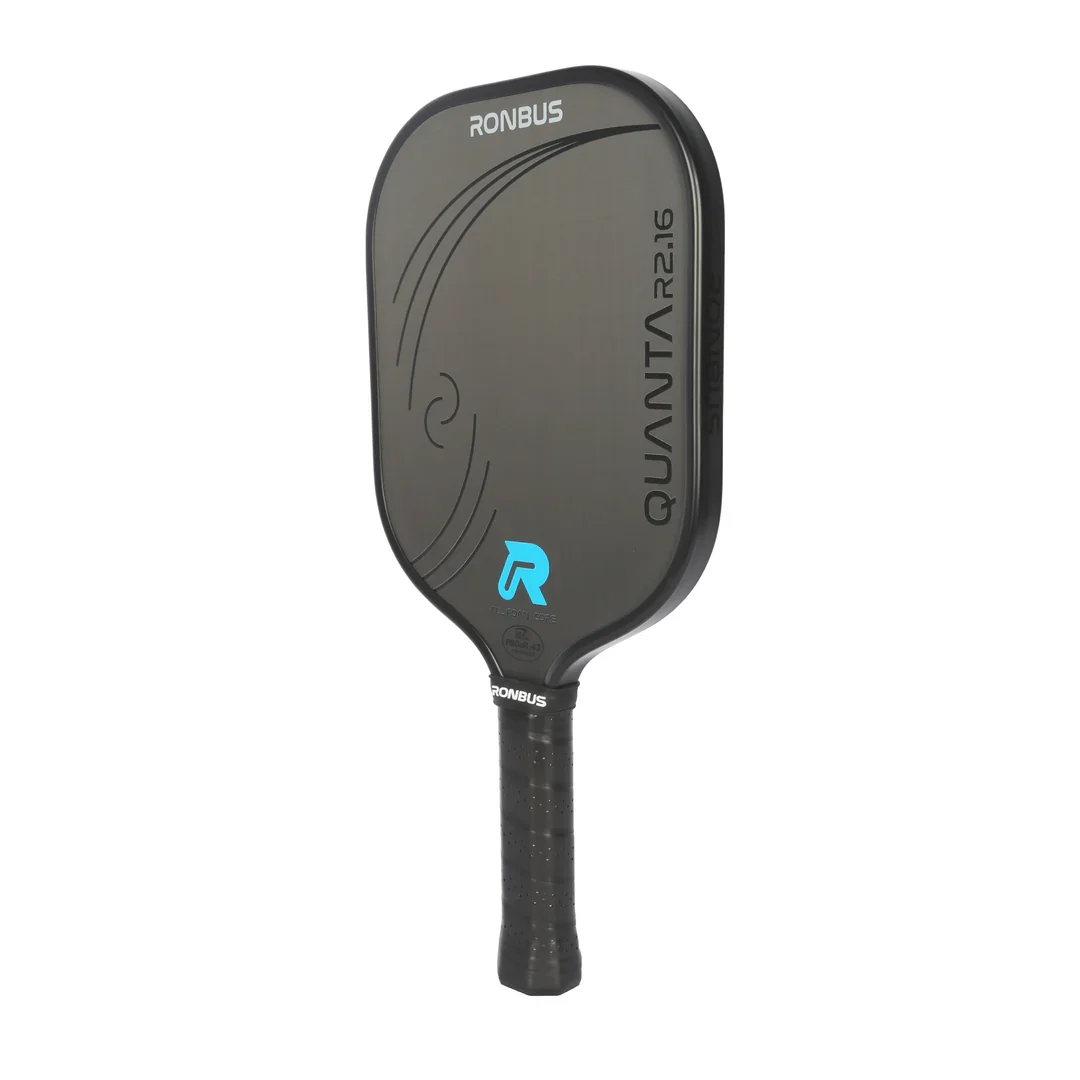
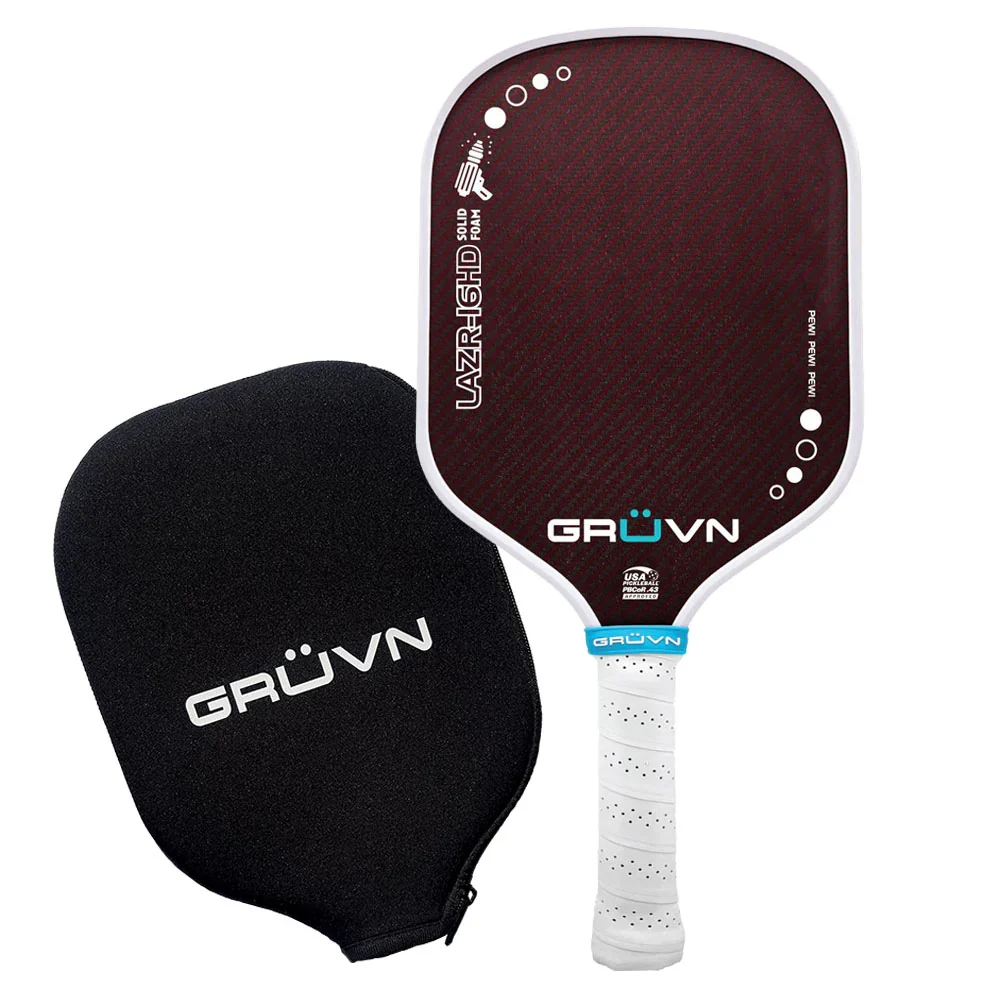
Why Paddle Shape Matters More Than You Think
Walk into any court and you will see players swinging wildly different paddles. Some look short and round, others long and narrow. That difference is not cosmetic. Shape changes the sweet spot, the reach, and the way a paddle behaves on blocks, drives, and dinks. Before you spend money on a new paddle, it helps to understand the two main families: widebody and elongated.
Widebody paddles are wider and often shorter, which pushes the sweet spot outward and makes them forgiving on off-center hits. Elongated paddles trade some of that width for length, giving you extra reach and more leverage on serves and overheads. Neither is better in the abstract — the right pick depends on how you play.
Widebody Paddles: Forgiveness and Control
If you are newer to the game, play mostly doubles, or value consistency over power, a widebody is usually the smarter starting point. The larger hitting surface means mishits still travel where you intended, and the shorter profile makes quick exchanges at the kitchen line feel manageable.
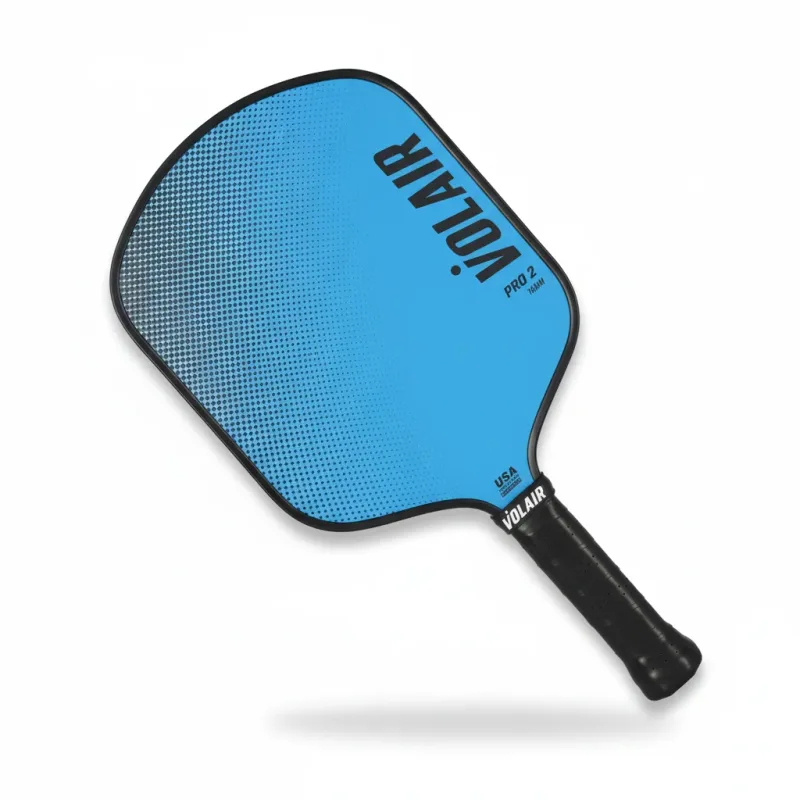
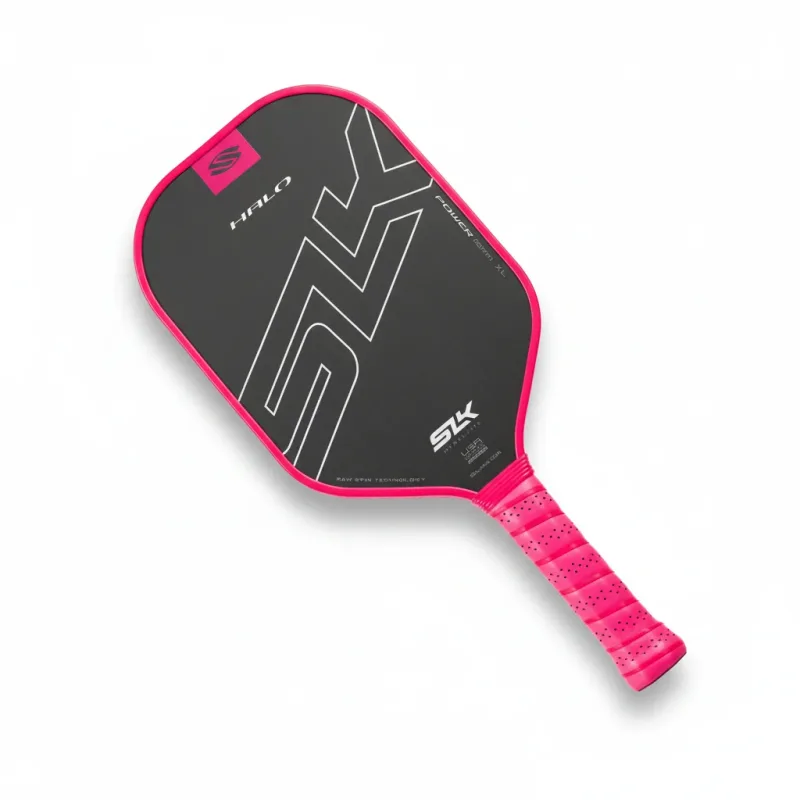
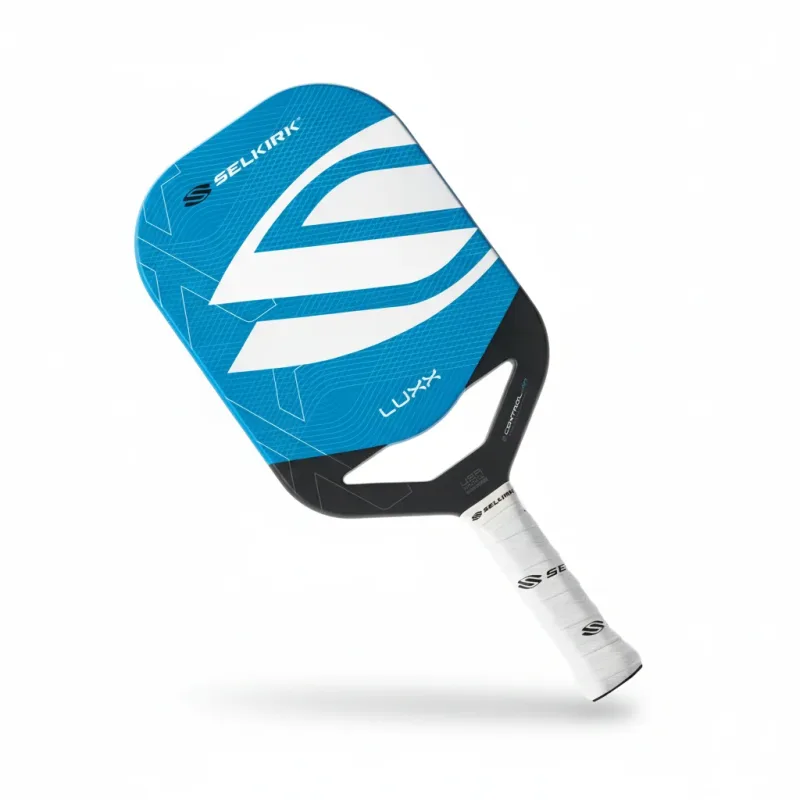
Good examples in our lineup include the Volair Pro 2 Widebody Fiberglass Pickleball Paddle, a budget-friendly option with a fiberglass face that adds a bit of pop, and the Selkirk SLK Halo Power Max Pickleball Paddle, which leans toward power while keeping a generous sweet spot. Players who want a widebody with a soft, controlled feel often look at the Selkirk LUXX Control Air with InfiniGrit Invikta Pickleball Paddle, which is built around touch and spin rather than raw speed.
Widebody shapes also suit players with a two-handed backhand or those who prefer a compact swing. You lose a little reach, but you gain stability.
Elongated Paddles: Reach and Power
Elongated paddles are longer and narrower. That extra length does two things: it extends your reach for wide balls, and it increases swing leverage, which translates into more power on serves and drives. The trade-off is a smaller sweet spot and a bit less forgiveness on off-center contact.
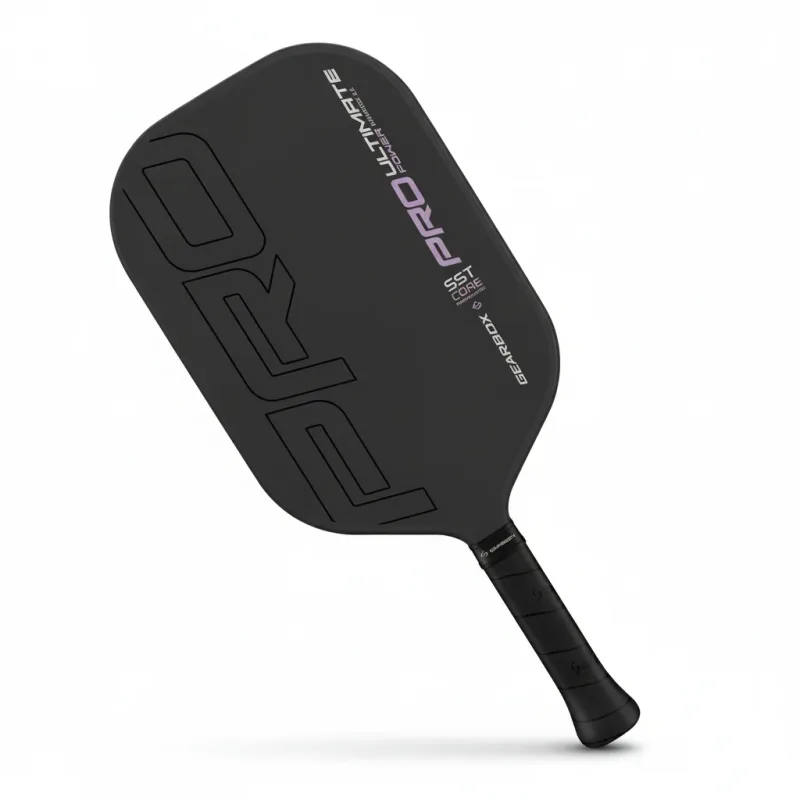
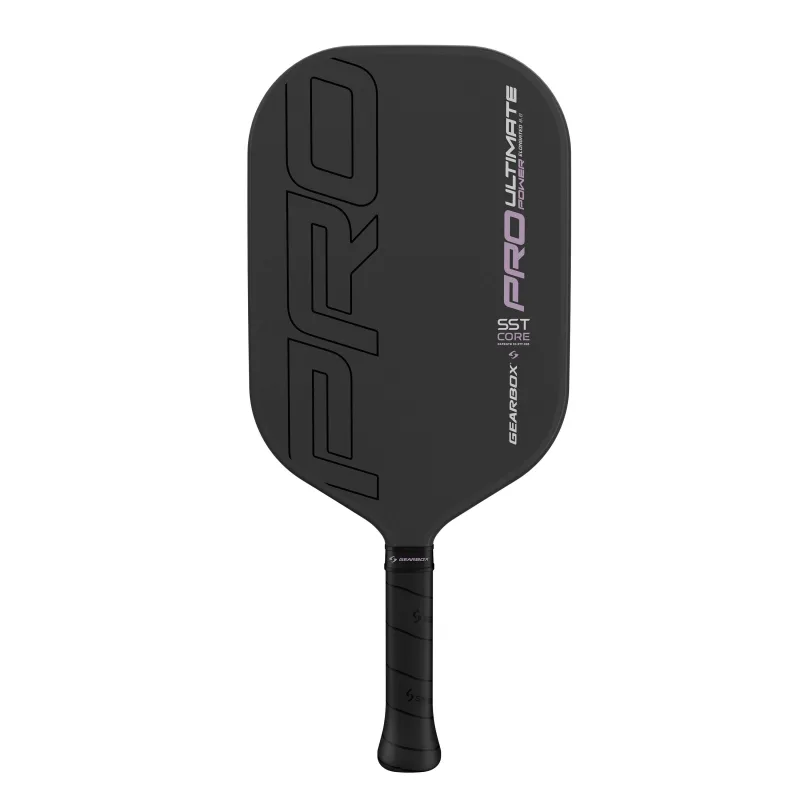
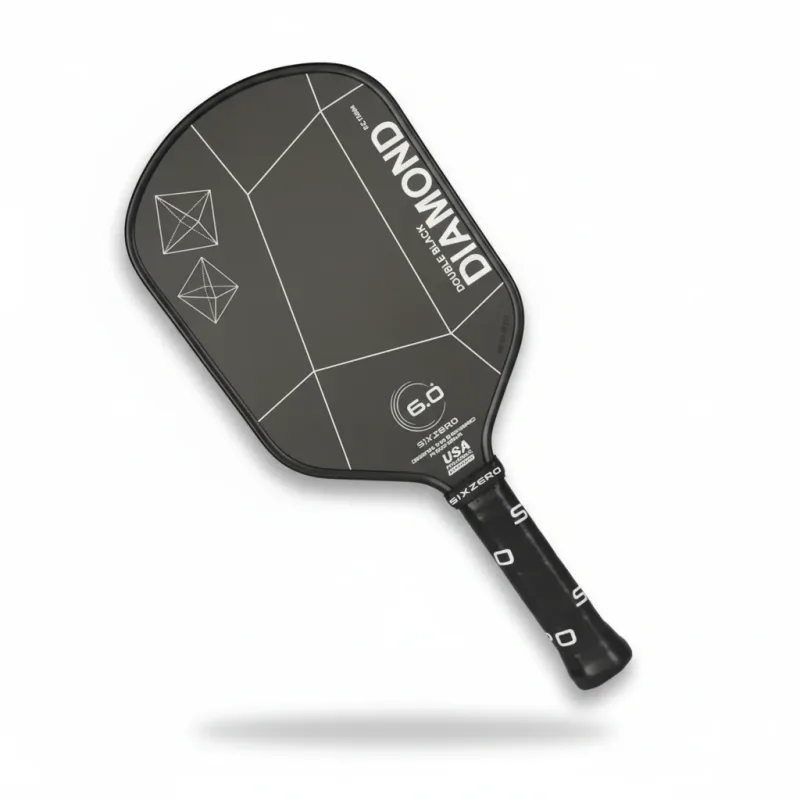
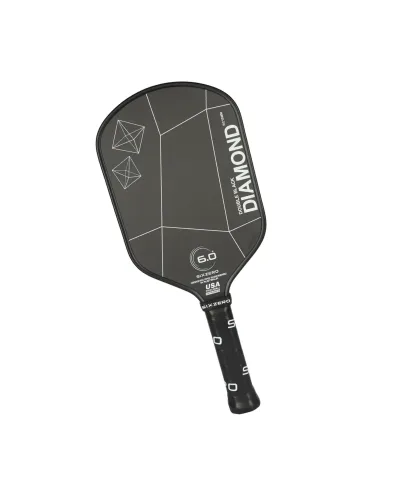
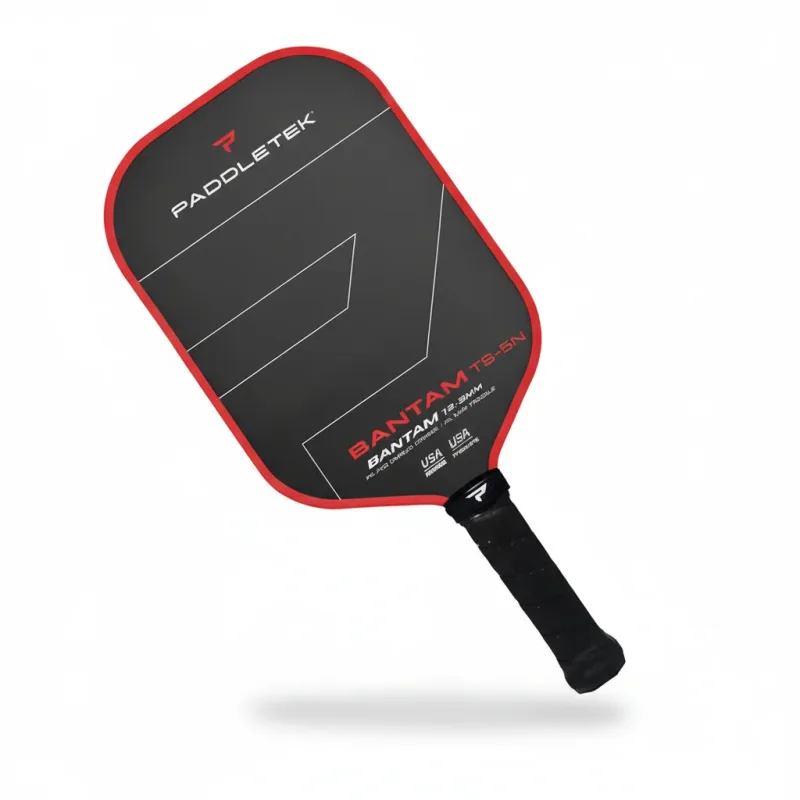
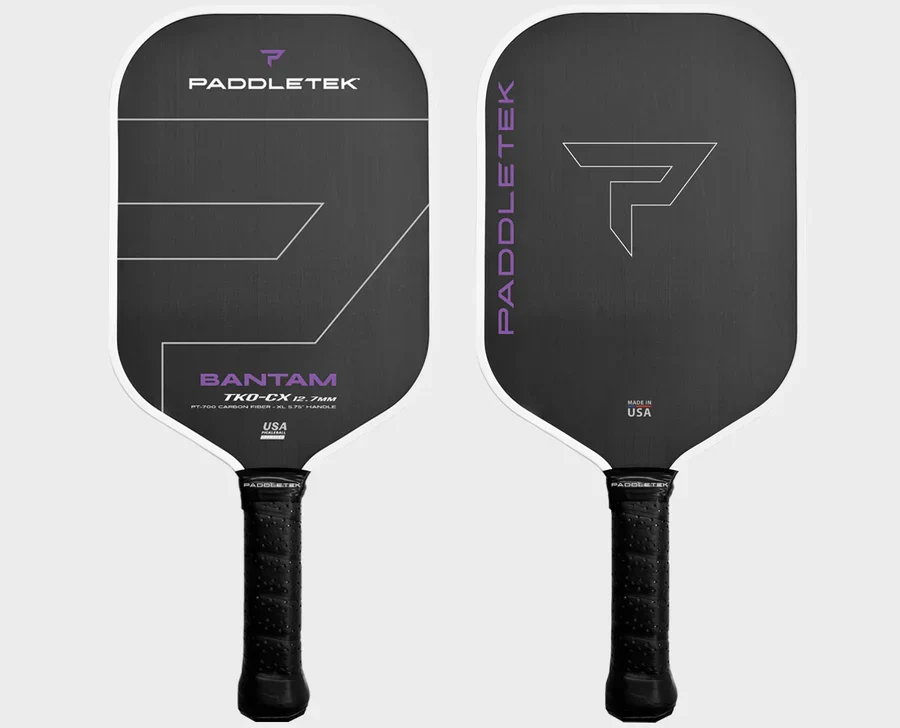
Players with a tennis background often gravitate here. The Gearbox Ultimate Power 14mm Elongated Pickleball Paddle is a clear example of the category, built for players who want to dictate points. The Six Zero Double Black Diamond Elongated Control 15mm Pickleball Paddle takes the opposite approach within the same shape, favoring control and a softer response. If you want something in between, the Paddletek Bantam TKO-CX 12.7 Pickleball Paddle pairs a thinner core with an elongated profile for quick hands and solid power.
Materials and Surface Tech
Shape is only half the story. The face material and core thickness shape how a paddle feels and how much spin you can generate. Carbon fiber faces, especially raw or textured versions, tend to grip the ball longer and produce more spin. Fiberglass faces are typically livelier and less expensive.
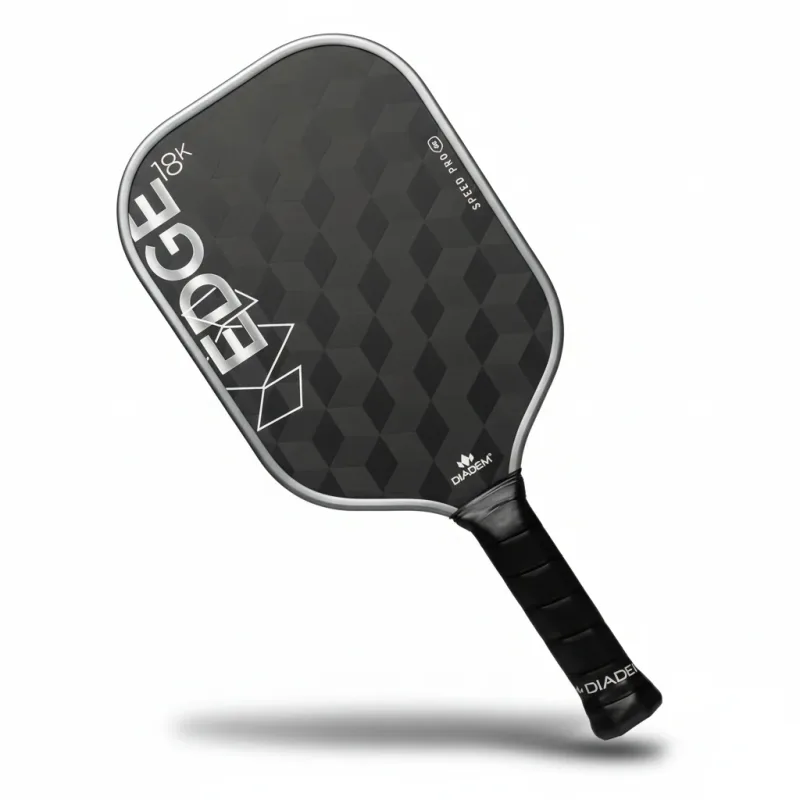
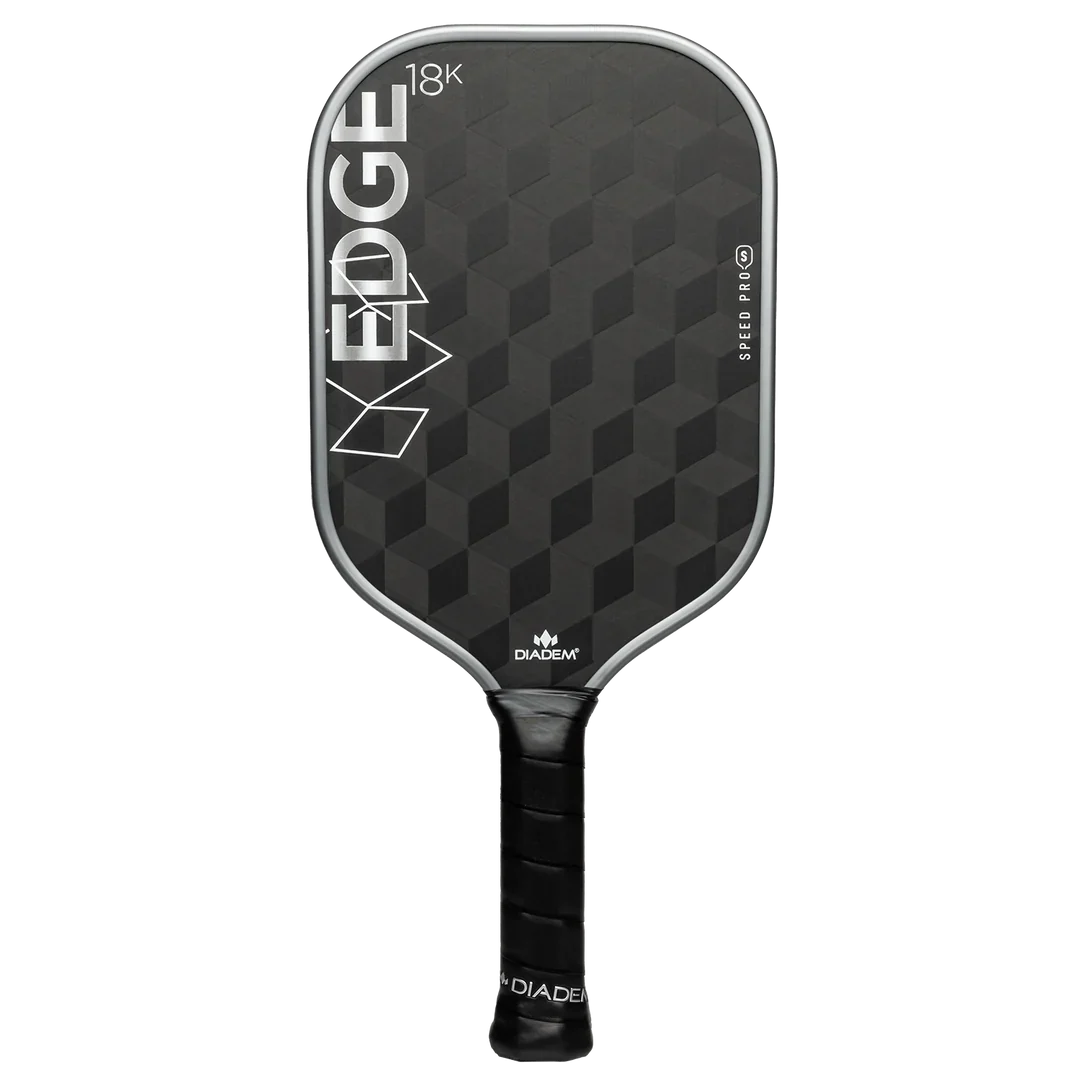
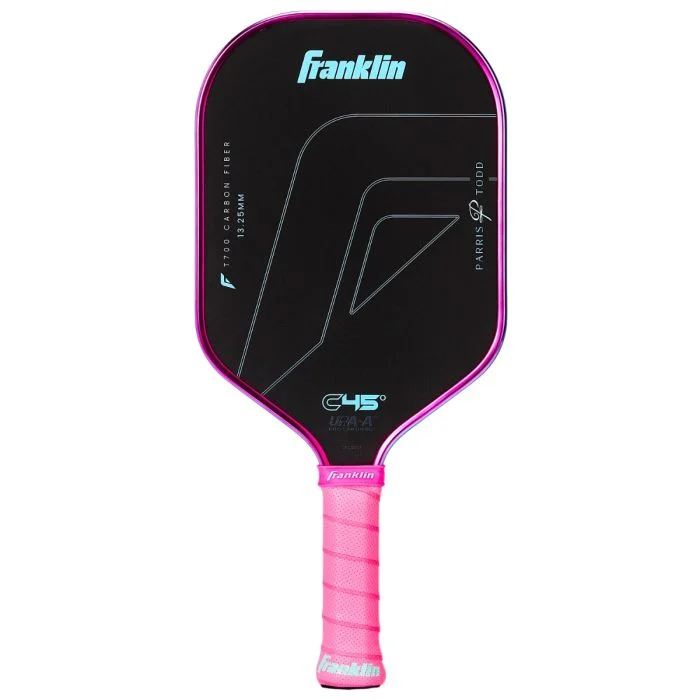
If spin is a priority, look at models like the Diadem Edge 18K Speed Pro Pickleball Paddle or the Franklin PARRIS TODD C45° SERIES - 13.25MM Pickleball Paddle. Both use modern face technology aimed at consistent spin and a predictable response. Core thickness matters too: 16mm cores feel softer and more controlled, while 13mm and 14mm cores feel firmer and faster.
Matching Your Paddle With the Right Gear
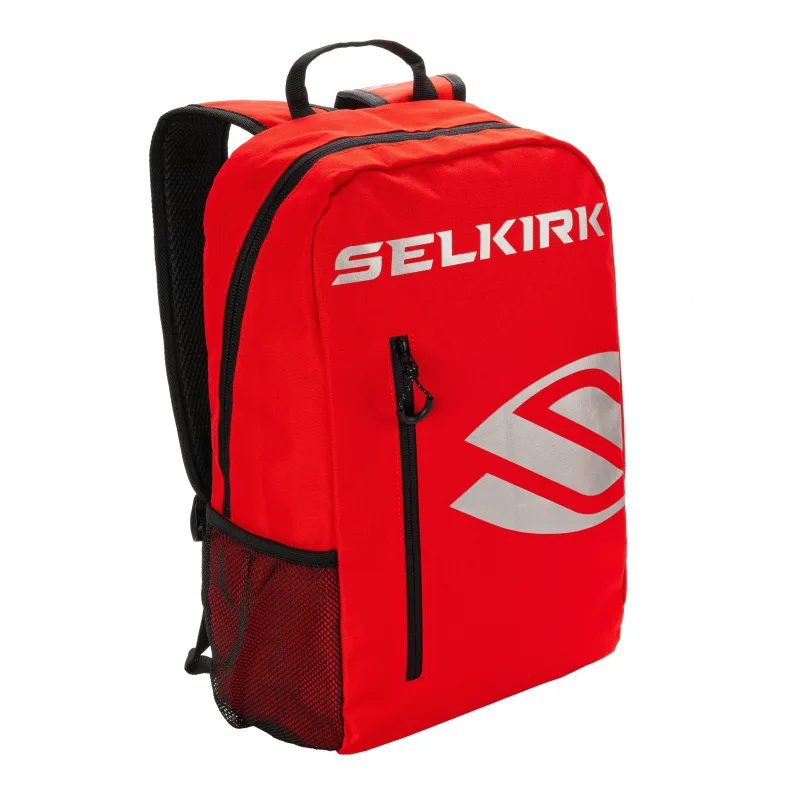
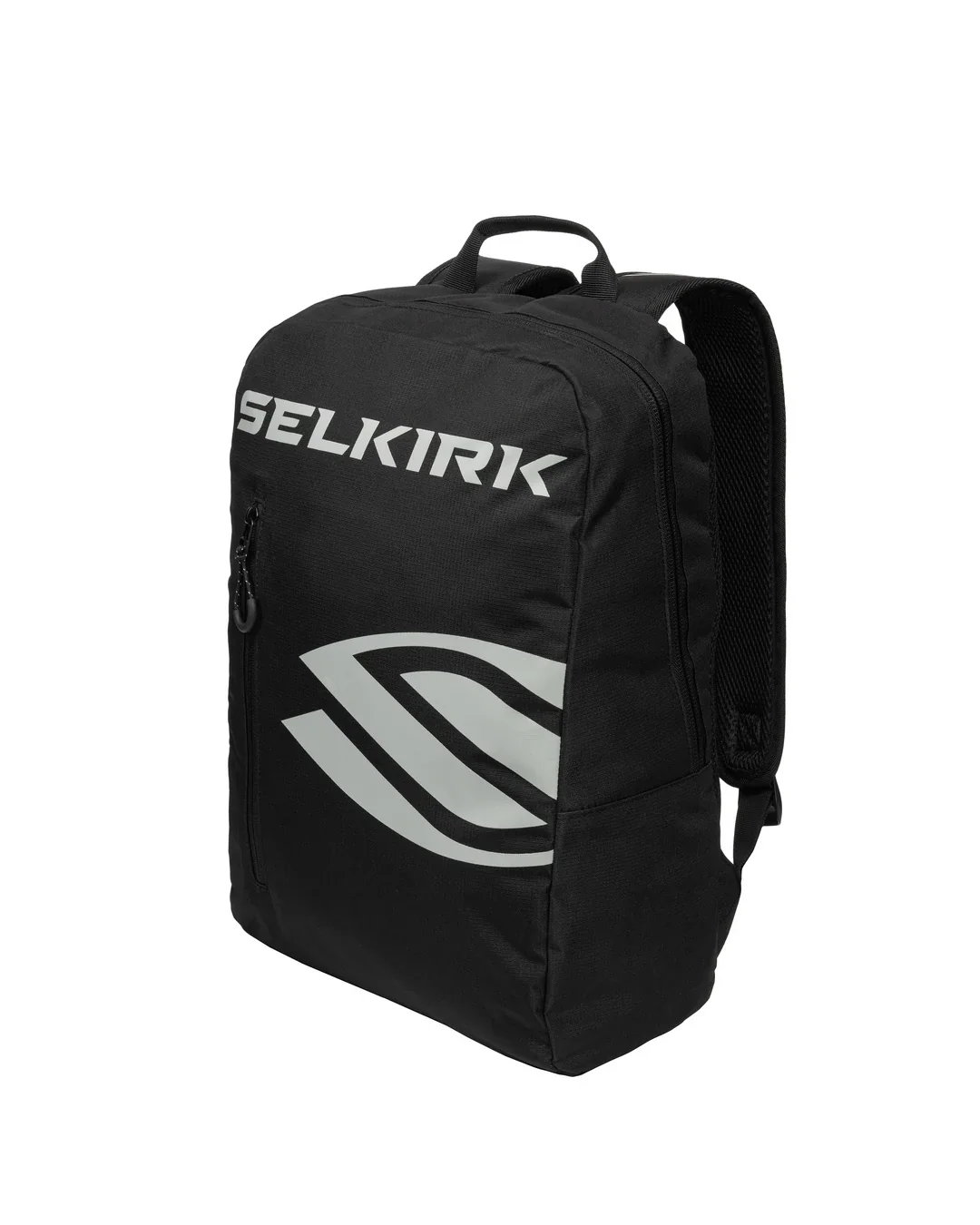
A great paddle deserves supporting gear. A dedicated bag protects the face and keeps your essentials organized — the Selkirk Day Pickleball Core Backpack — 6 Paddle Capacity holds multiple paddles plus water and towels, which is handy if you rotate between a widebody and an elongated frame depending on the matchup.
Beyond the bag, think about the small items that quietly affect your game:
- Overgrips — a fresh grip improves feel and reduces slipping, especially in humid conditions.
- Court shoes — lateral support matters far more than cushioning for pickleball.
- Eyewear — protects your eyes during fast net exchanges.
- Balls and nets — if you play at home or run drills, a portable net changes how often you can practice.
Start with the shape that fits your style, then refine the details. A widebody player who wants more power can move to a heavier widebody before jumping to an elongated frame. An elongated player who struggles with consistency can add a control-oriented model to the bag rather than abandoning reach entirely.
How to Decide
Ask yourself three questions. Do you mishit often? Choose widebody. Do you want more reach and power? Choose elongated. Do you mostly dink and reset? Prioritize control, regardless of shape. Demo if you can, and remember that the best paddle is the one that matches your game today, not the one that matches someone else's highlight reel.