Why Paddle Shape Matters
Walk onto any pickleball court and you will see paddles in every shape and size. That variety is not cosmetic. Shape determines where mass sits, how large the sweet spot feels, and how much reach you gain at the kitchen line. Before you buy, it helps to understand the two main families: widebody and elongated.
A widebody paddle is shorter and broader. The wider face spreads the sweet spot across more of the surface, which makes it forgiving on off-center hits and steady on blocks and dinks. An elongated paddle trades some width for length. The extra reach helps you cover more court, adds leverage on serves and drives, and gives you a longer swing path for topspin.
Neither shape is better. The right one depends on your style, your grip, and how much forgiveness you want versus how much power you can generate yourself.
Widebody Options Worth a Look
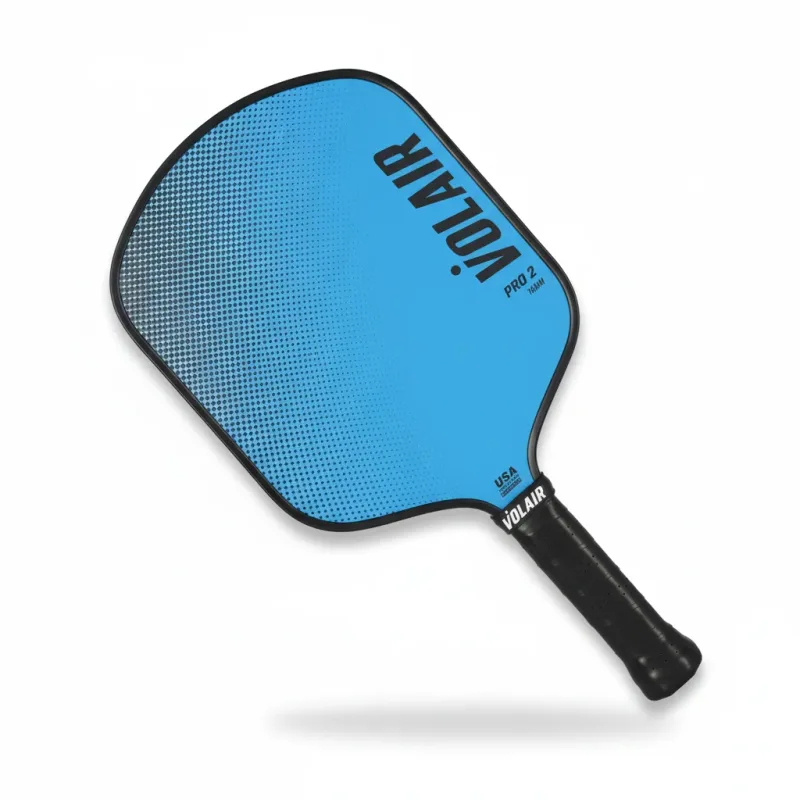
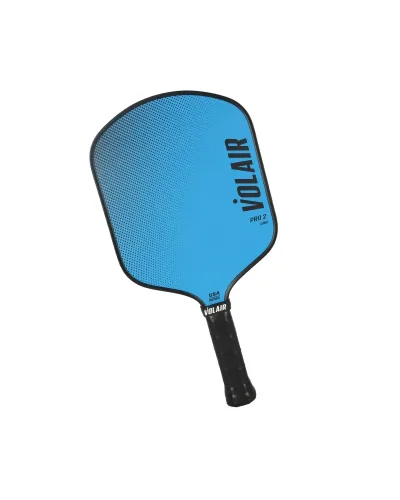
If you value control, consistency, and a generous hitting area, widebody designs are the natural starting point. The Volair Pro 2 Widebody Fiberglass Pickleball Paddle is a classic example: a broad face that keeps mishits playable and a fiberglass surface that adds easy pop without demanding a huge swing.
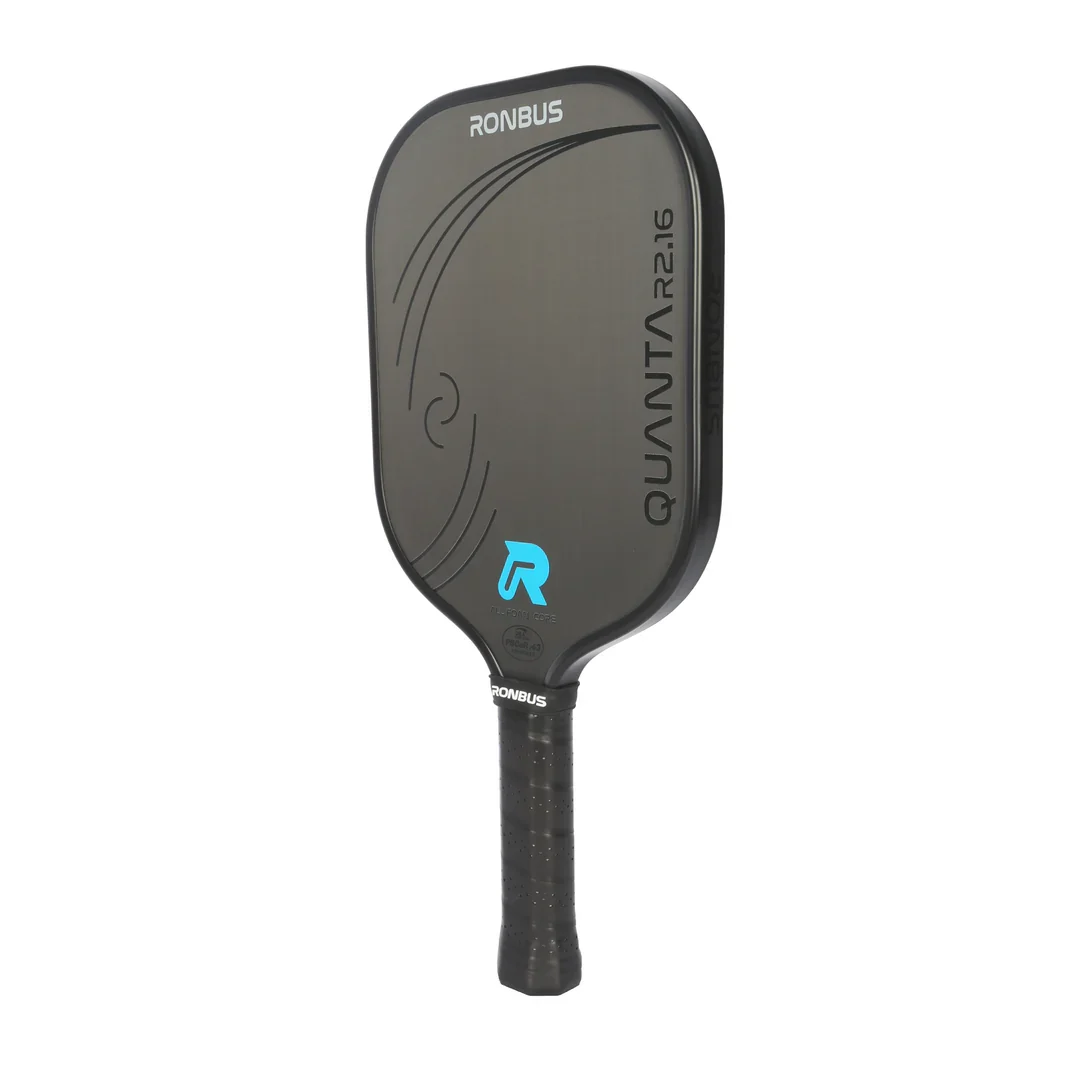
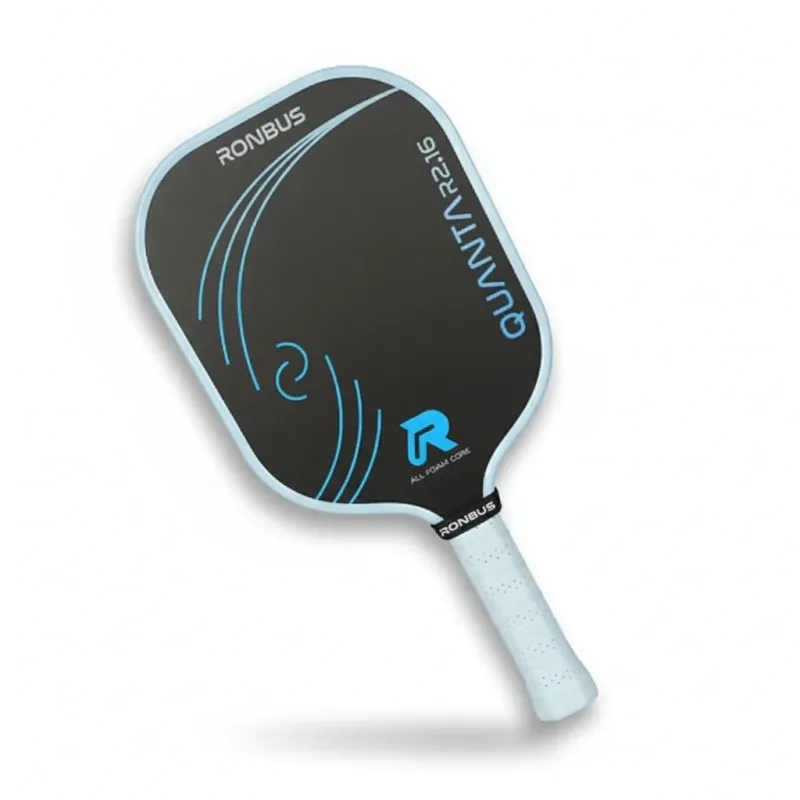
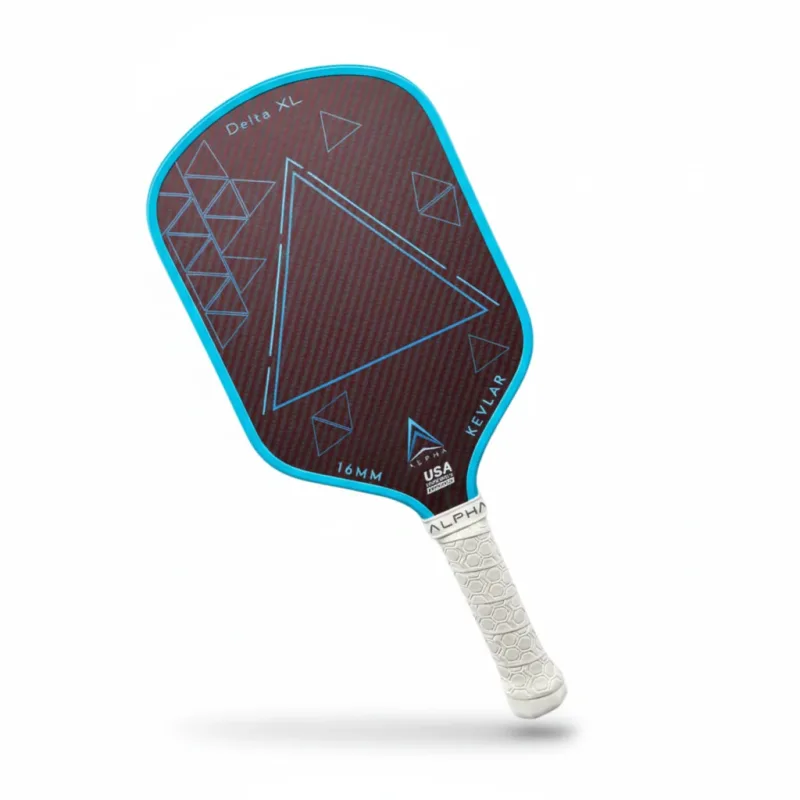
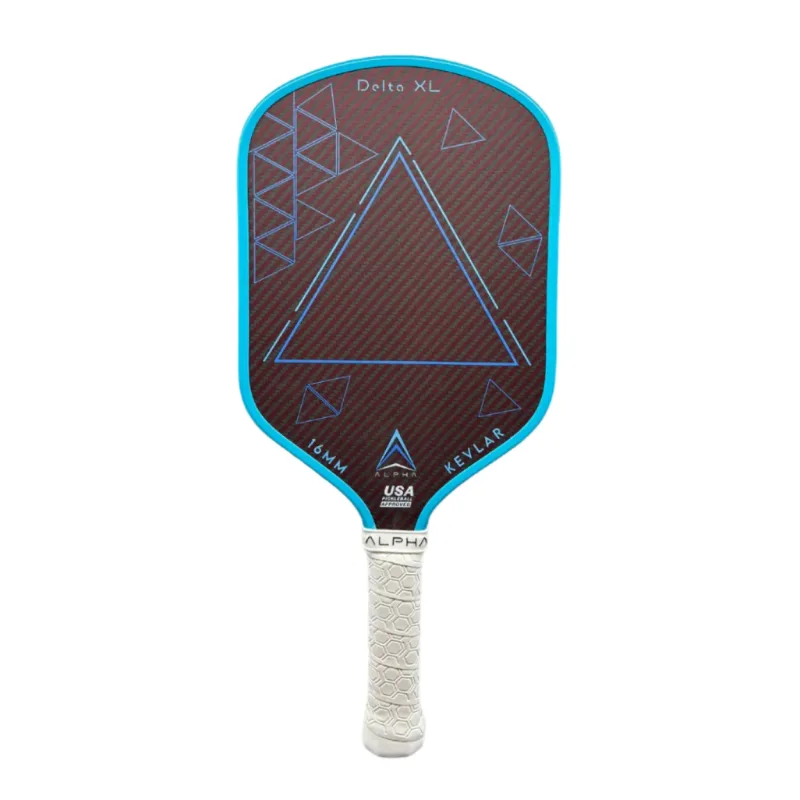
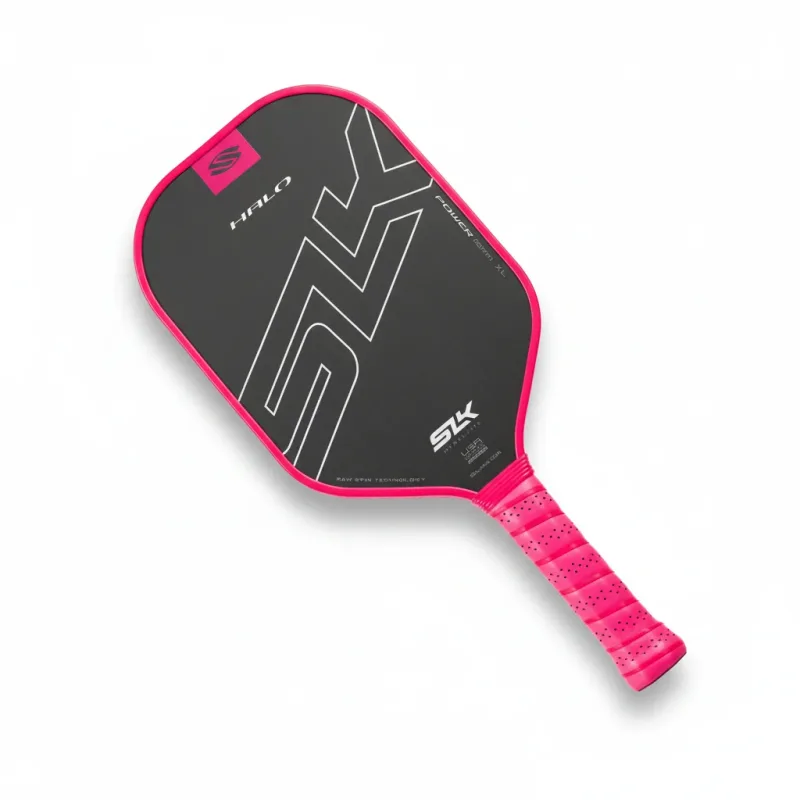
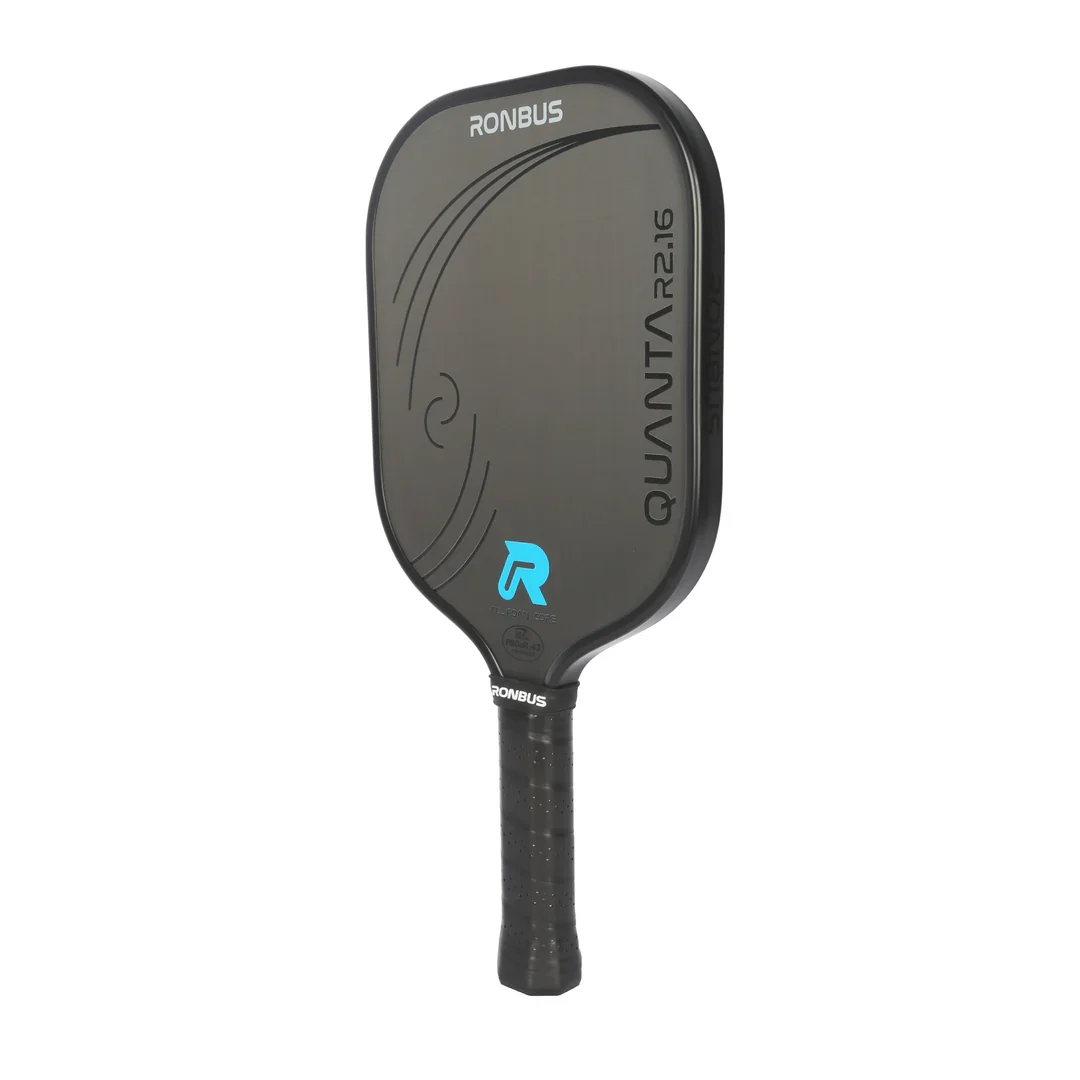
For players who want a modern core in a widebody frame, the Ronbus Quanta R2.16 Pickleball Paddle pairs a 16mm core with a wide face, which softens the ball on dinks while still offering enough drive when you step into the shot. The Alpha Delta XL Pickleball Paddle takes a similar approach, and the Selkirk SLK Halo Power Max Pickleball Paddle shows how much power a well-built widebody can deliver.
Widebody paddles suit beginners building consistency, doubles players who live at the net, and anyone who plays a patient, placement-first game.
Elongated Options to Consider
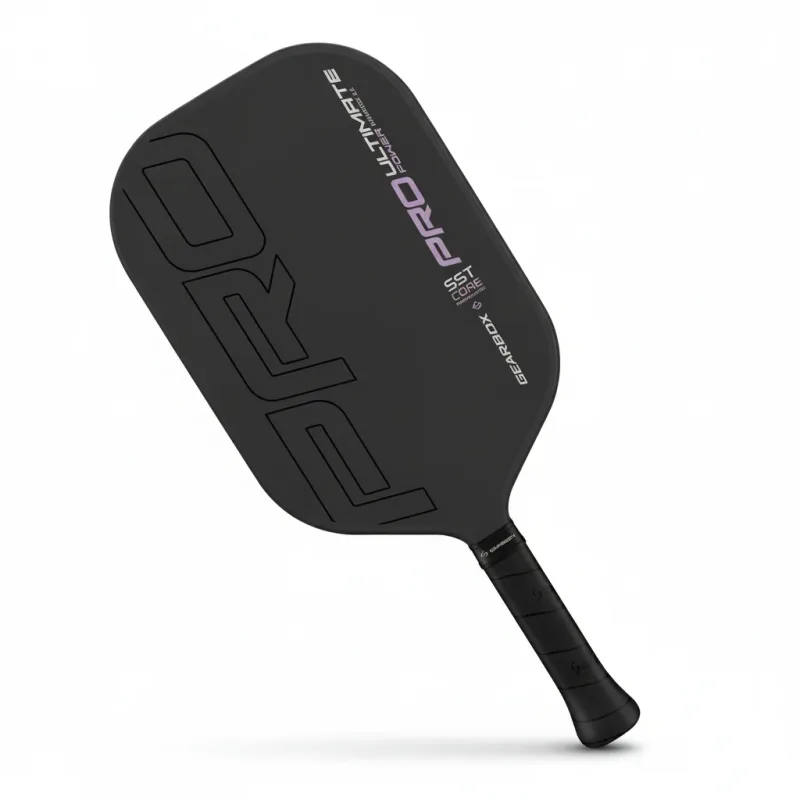
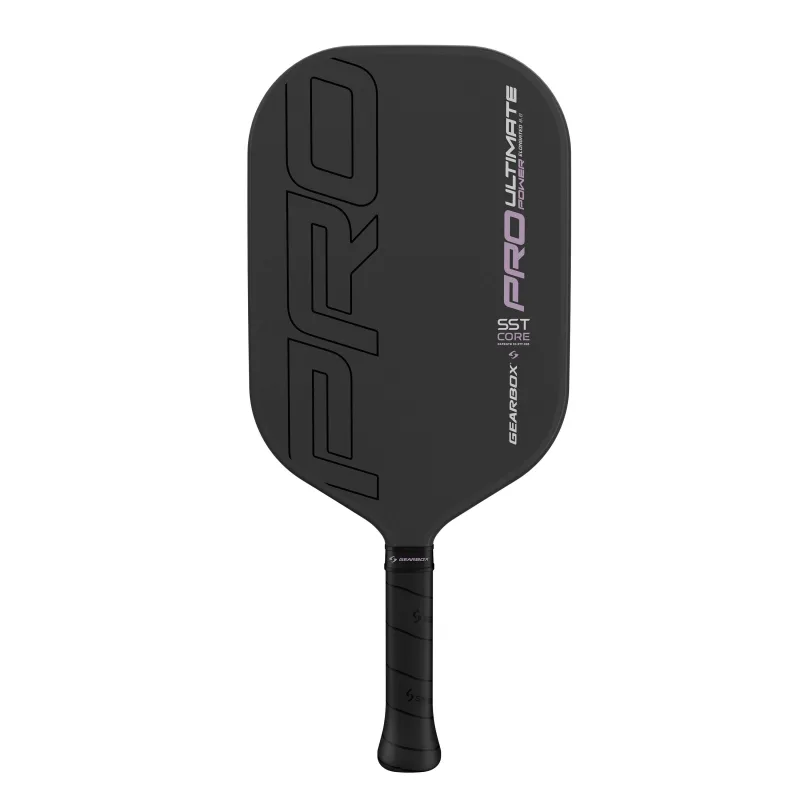
Elongated paddles reward players who generate their own pace and want a little extra coverage. The Gearbox Ultimate Power 14mm Elongated Pickleball Paddle is built for exactly that: a longer frame, a thinner core, and a stiff feel that transfers energy efficiently on drives.
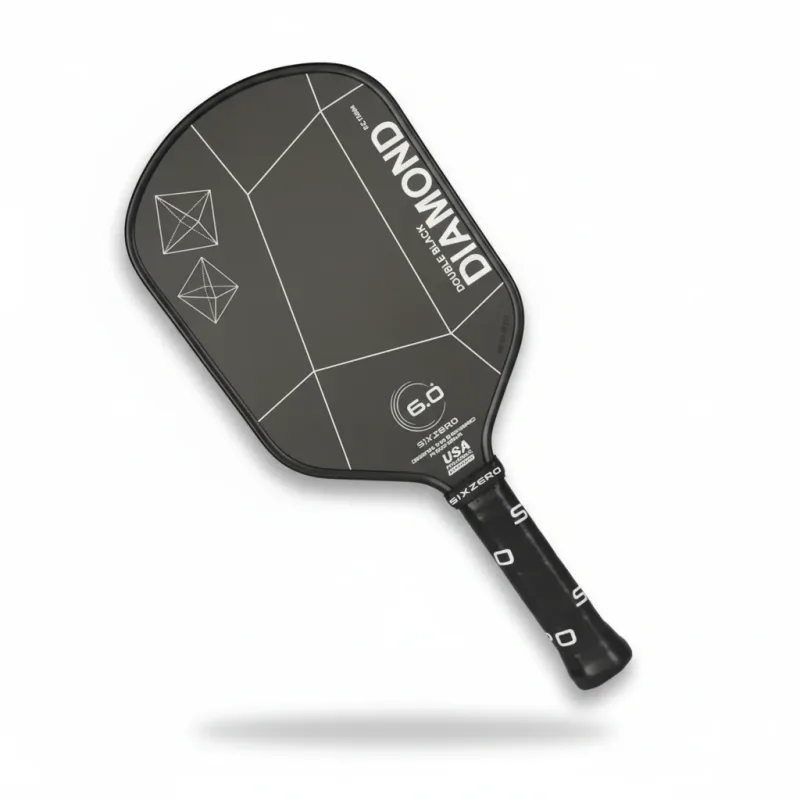
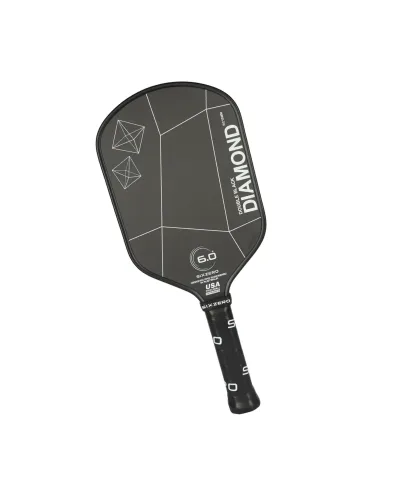
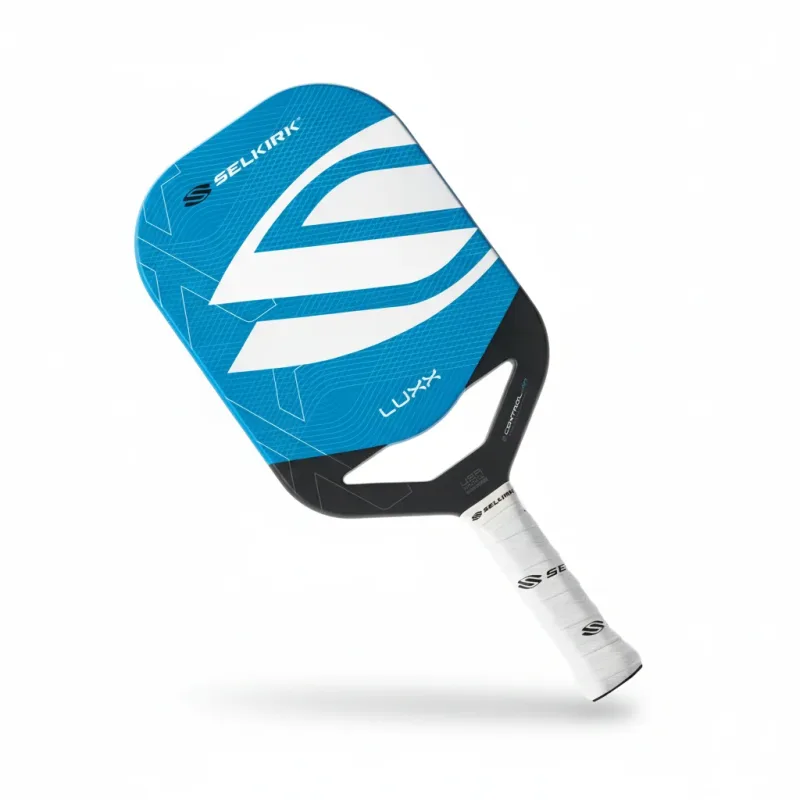
Control-oriented players are not left out. The Six Zero Double Black Diamond Elongated Control 15mm Pickleball Paddle pairs the extended shape with a thicker core and a textured surface, which helps you shape spin-heavy dinks and resets. The Selkirk LUXX Control Air with InfiniGrit Invikta Pickleball Paddle follows a similar philosophy, blending reach with a grippy face for players who win points with touch.
Elongated shapes tend to appeal to tennis converts, singles players, and anyone who wants to stretch for wide balls without giving up their grip position.
Core Thickness and Surface Material
Shape is only half the story. Core thickness changes how a paddle feels and plays.
- 16mm cores are thicker and generally softer. They absorb pace, widen the effective sweet spot, and shine in dinking and defensive exchanges.
- 14mm cores are thinner and livelier. They produce more pop on drives and serve returns, with a crisper feel on contact.
- 13mm and 12.7mm cores push further toward power and quick hand speed, which some players prefer at the net.
Surface material matters just as much. Carbon fiber faces, especially raw or textured versions, tend to grip the ball and generate spin. Fiberglass faces offer a softer, more forgiving feel with easy power. Foam-injected and solid-foam constructions, like those found in the CRBN³ TRUFOAM Genesis Pickleball Paddle, aim to reduce vibration and stabilize the core for a more consistent response.
If you are unsure, start with a 16mm carbon fiber paddle in the shape that matches your game, then adjust thickness once you know whether you want more control or more power.
Building a Complete Setup
A paddle is the centerpiece, but the rest of your gear shapes how often you play and how comfortable you stay.
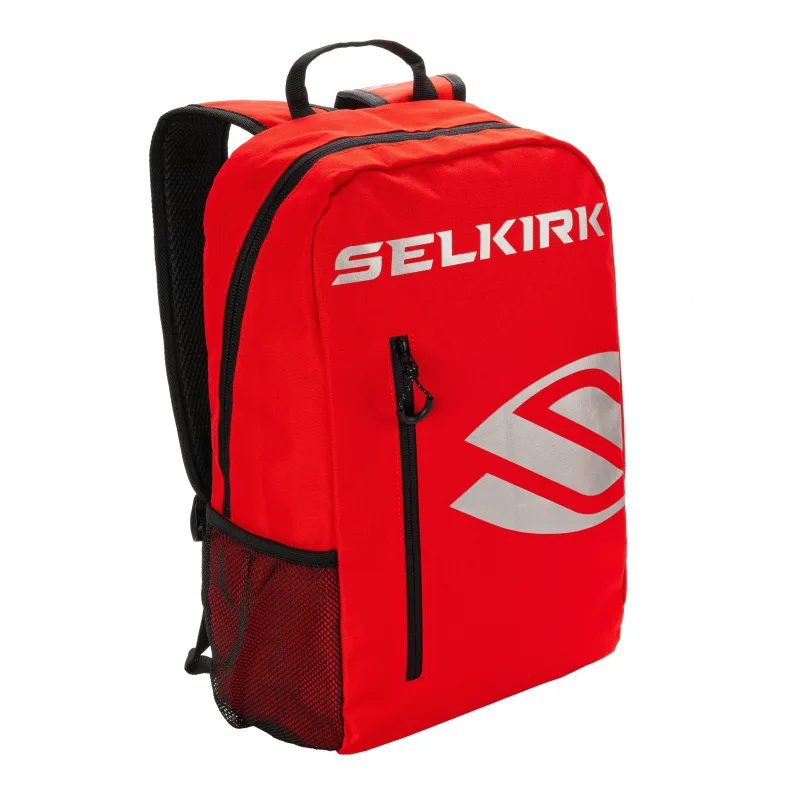
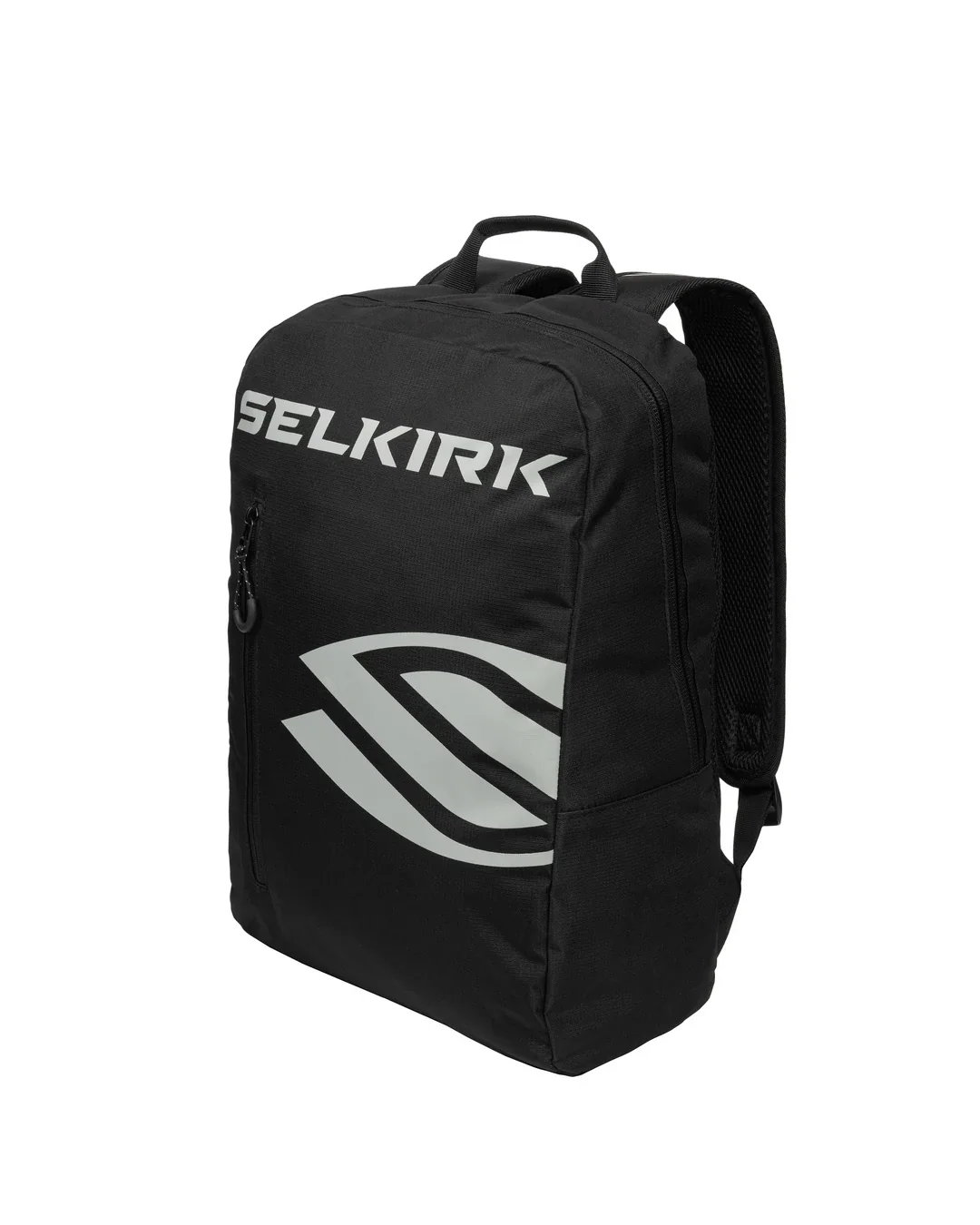
- Bags: A six-paddle carrier such as the Selkirk Day Pickleball Core Backpack — 6 Paddle Capacity keeps paddles, balls, and layers organized, while a lighter drawstring option works for quick sessions.
- Balls and nets: A portable net turns any flat surface into a court, so you can drill or play without waiting for a free court.
- Footwear: Court shoes with lateral support reduce slipping during quick changes of direction, which matters more as your level rises.
- Eyewear and apparel: Comfortable clothing and eye protection help you stay focused through long matches and hot afternoons.
Once you settle on a shape, the rest of your kit becomes easier to choose. Widebody players often pair a forgiving paddle with a stable, supportive shoe, while elongated players may lean toward lighter bags for faster transitions.
How to Decide
Ask yourself three questions. Do you lose more points to mishits or to a lack of reach? Do you prefer to absorb pace or to create it? Do you play mostly doubles, where net coverage matters, or singles, where reach and drive power matter more?
If mishits and control are your priority, a widebody with a thicker core is the safer path. If you want reach, leverage, and spin potential, an elongated frame with a carbon fiber face is worth testing. Either way, buy from a shop that carries a wide range of shapes, cores, and surfaces so you can compare before committing.