Why Paddle Shape Matters
Walk onto any pickleball court and you will see two basic paddle silhouettes: the widebody and the elongated. The difference is not cosmetic. Shape changes the size of your sweet spot, how much reach you get at the kitchen line, and how the paddle feels when you swing through a dink or a drive. Understanding that trade-off is the fastest way to stop guessing and start choosing.
In short: widebody paddles spread the hitting surface wider, which produces a larger, more forgiving sweet spot and steadier control. Elongated paddles stretch the face upward, adding reach and leverage for more power and spin, at the cost of a slightly smaller sweet spot. Most players land somewhere in between, which is why many brands now offer both shapes in the same model line.
Widebody Paddles: Forgiveness First
Widebody frames suit beginners, doubles specialists, and anyone who values consistency over raw pop. The wider face catches off-center contact, so mishits still travel where you intended.
- Best for: new players, defensive dinking, players with slower reaction times
- Strengths: big sweet spot, stable blocking, easy resets
- Trade-off: less reach and less leverage on drives
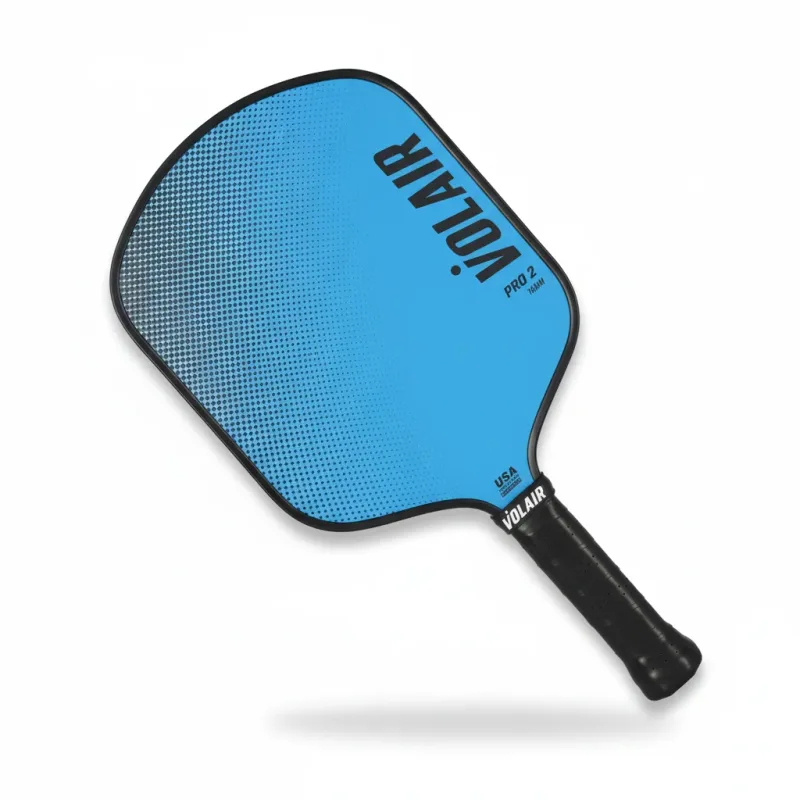
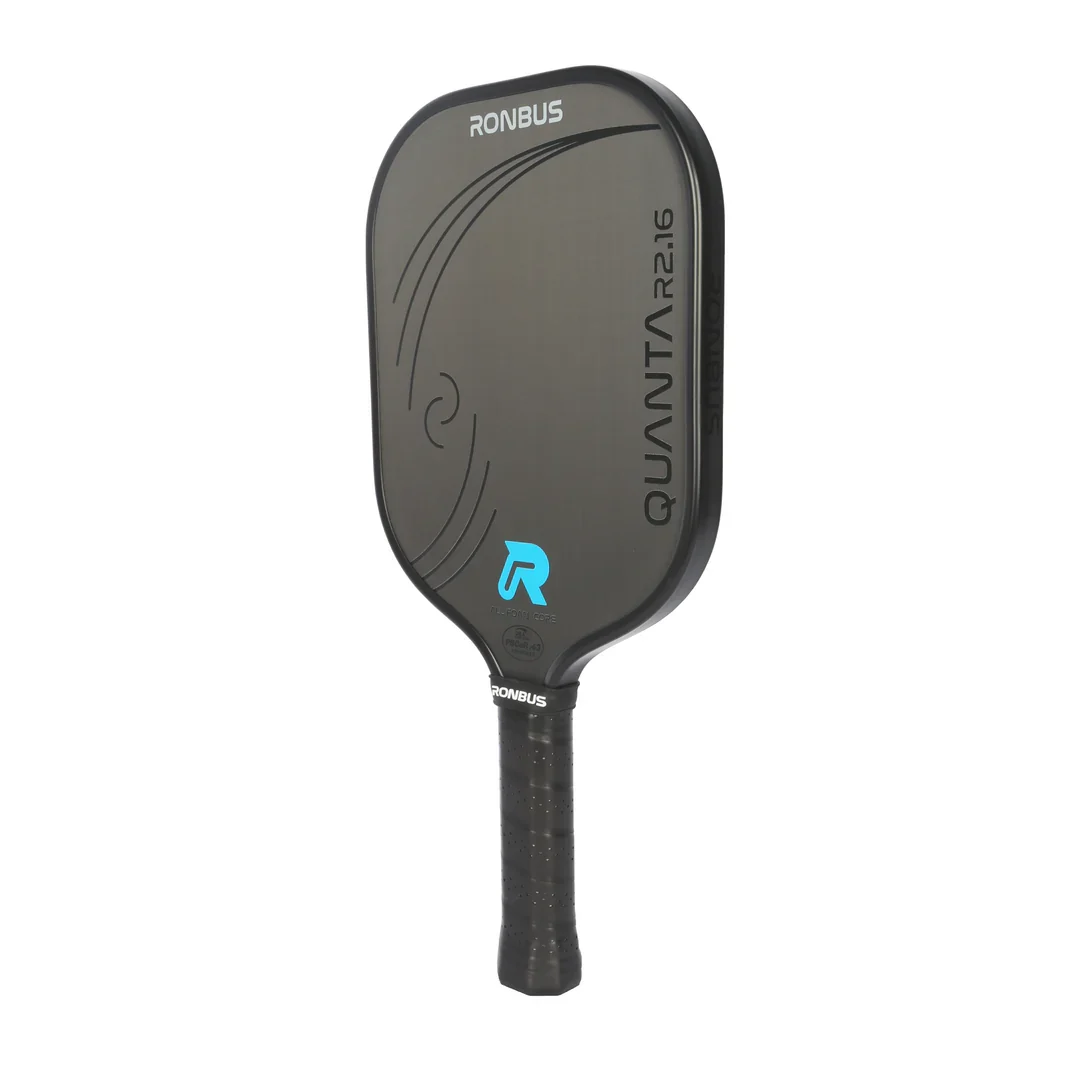
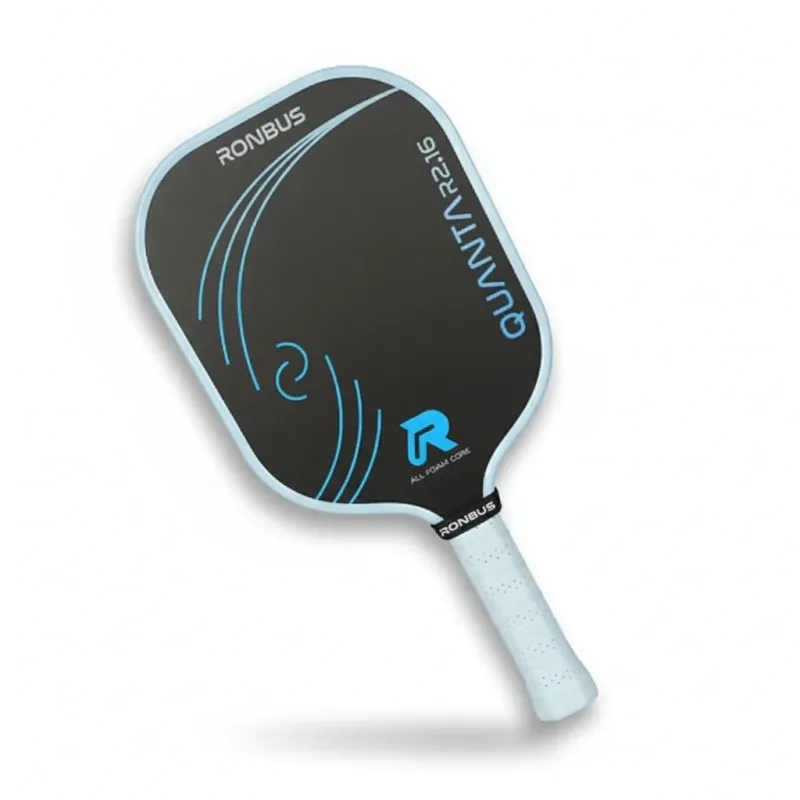
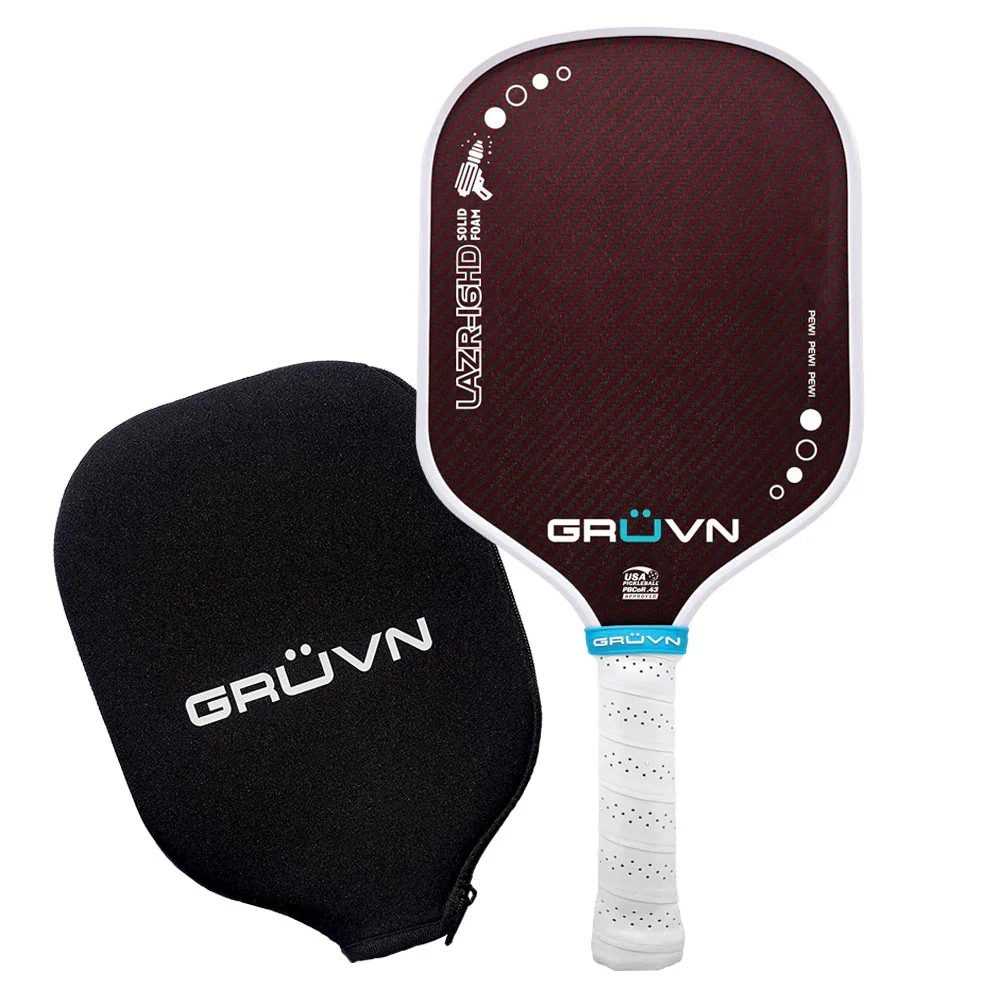
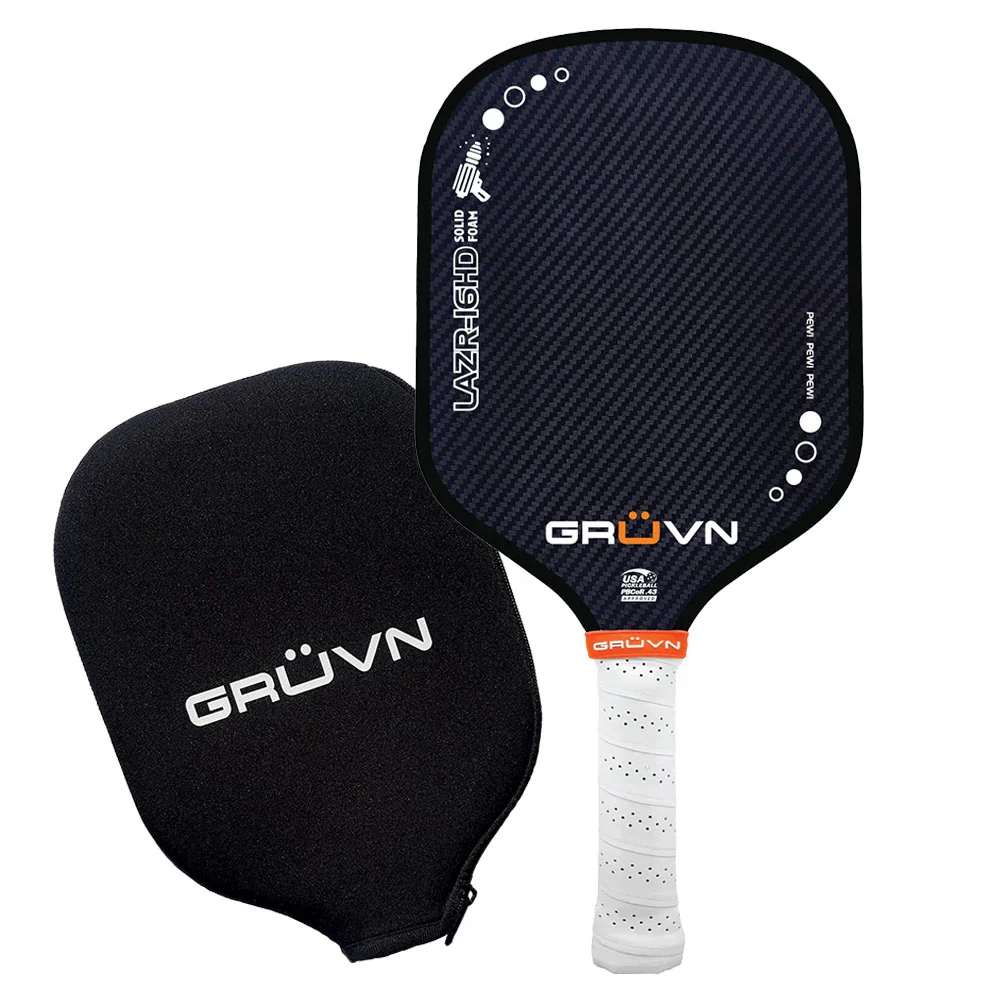
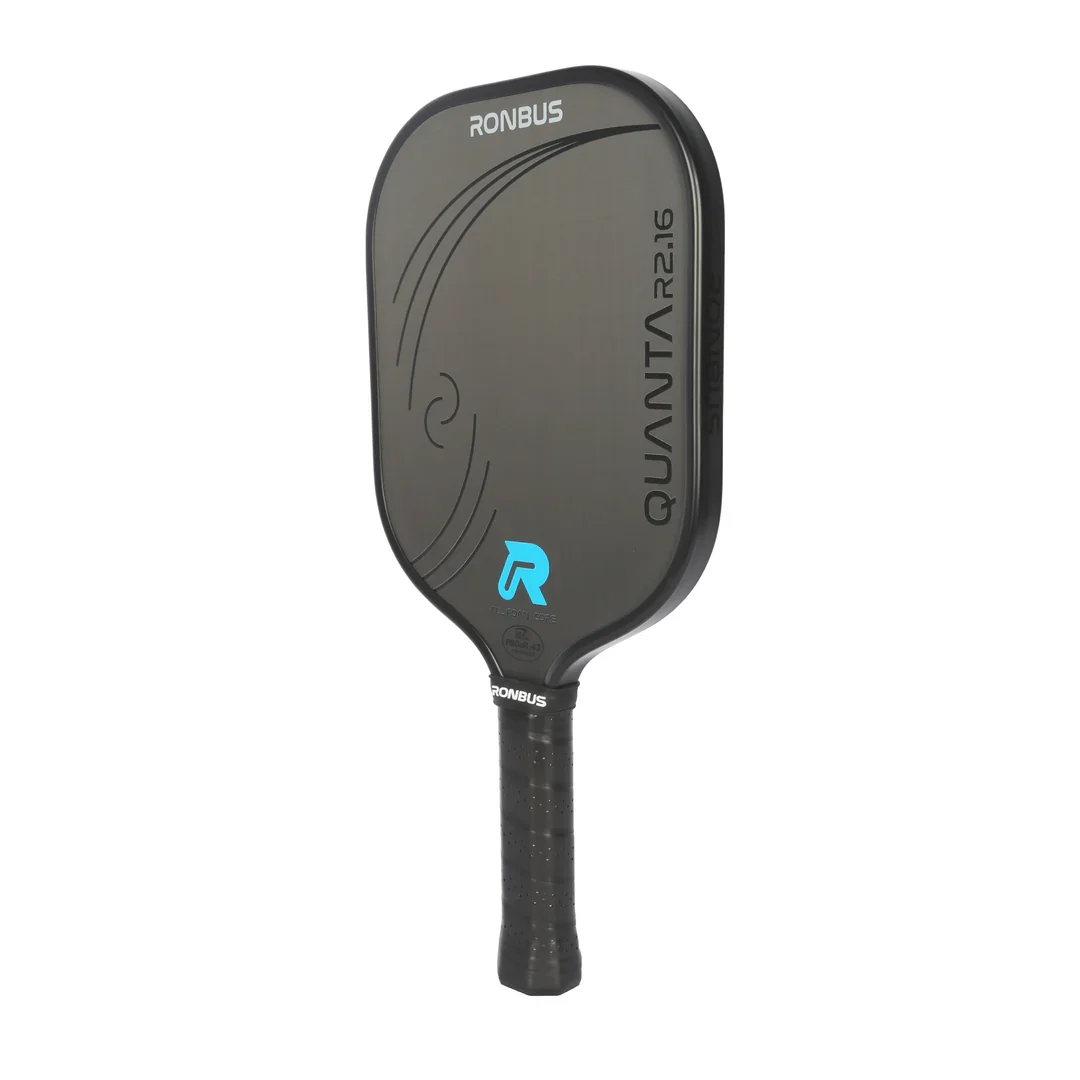
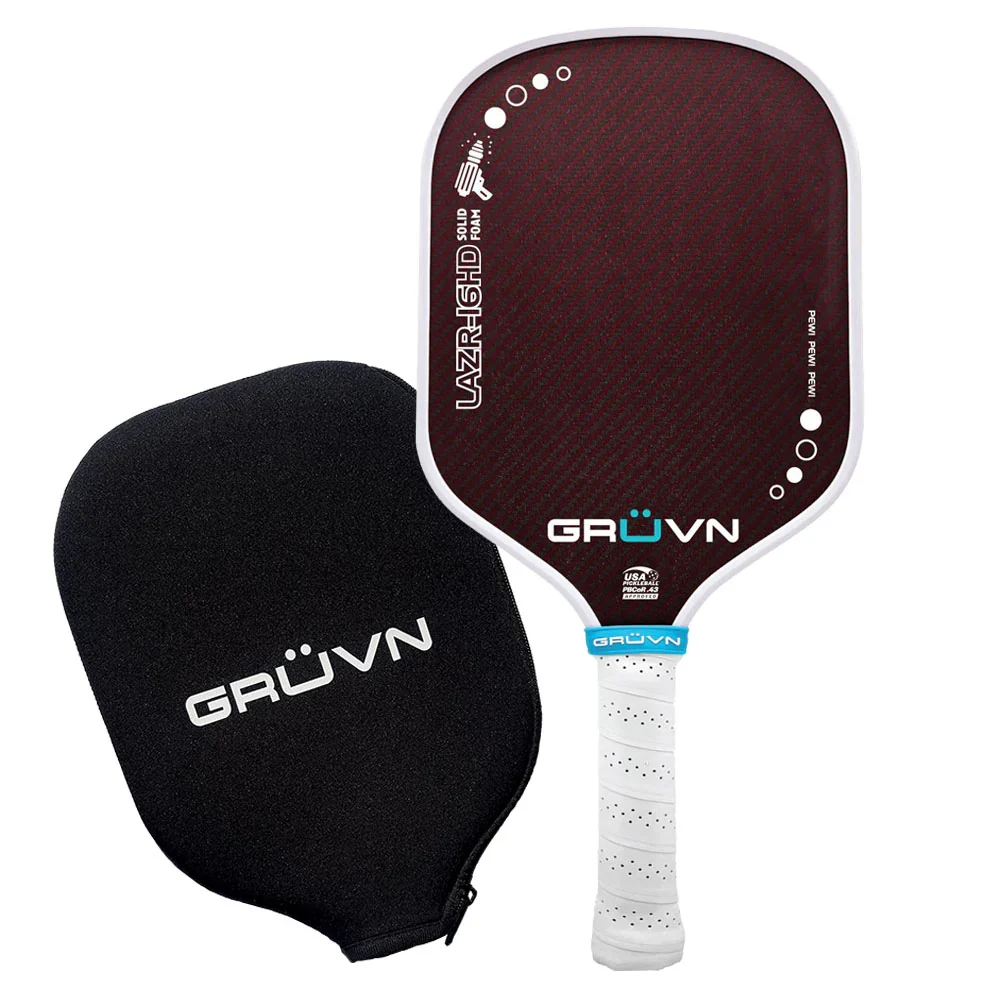
A good entry point is the Volair Pro 2 Widebody Fiberglass Pickleball Paddle, which keeps the shape simple and the face forgiving. If you want a widebody with a thicker, softer core for control, look at the Ronbus Quanta R2.16 Pickleball Paddle. Players who prefer a plush, foam-filled feel should also consider the GRUVN LAZR 16HD Pickleball Paddle (Solid Foam).
Elongated Paddles: Reach and Power
Elongated paddles trade a little forgiveness for a longer lever. That extra length translates into more swing speed, easier access to spin, and a few extra inches of reach on low balls and stretch volleys.
- Best for: intermediate and advanced players, singles, aggressive net play
- Strengths: power, spin, extended reach
- Trade-off: smaller sweet spot, less forgiving on mishits
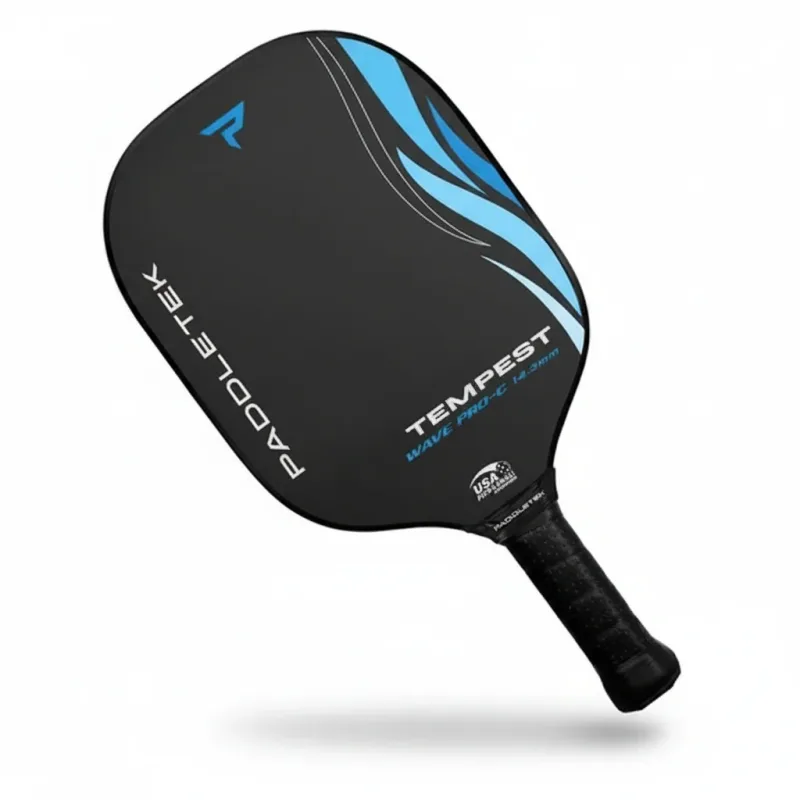
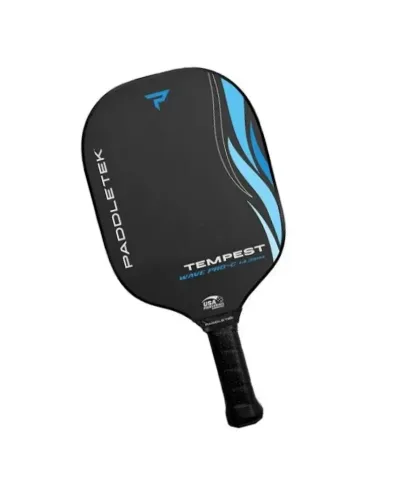
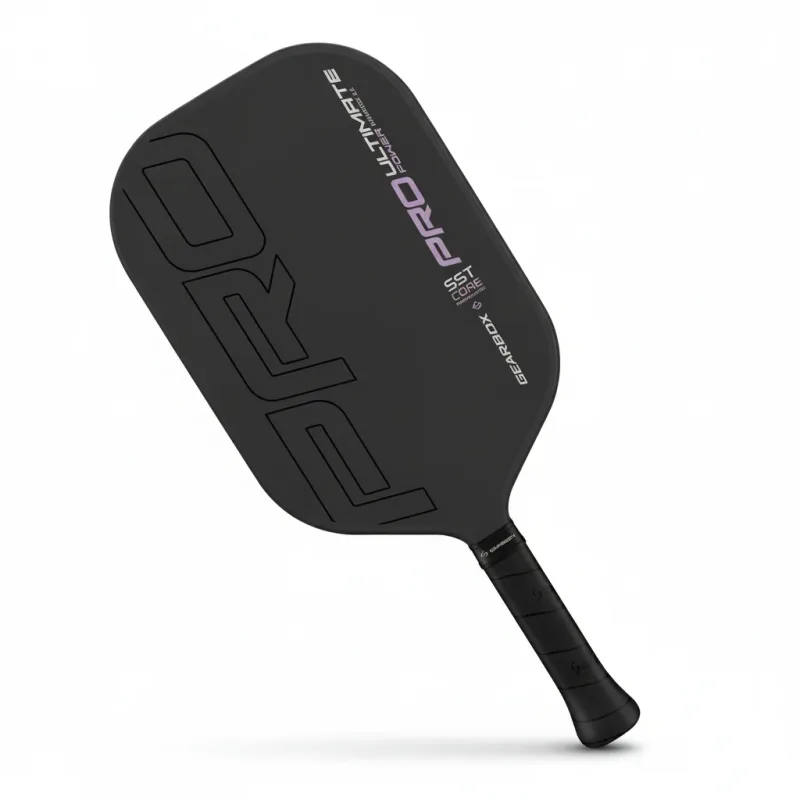
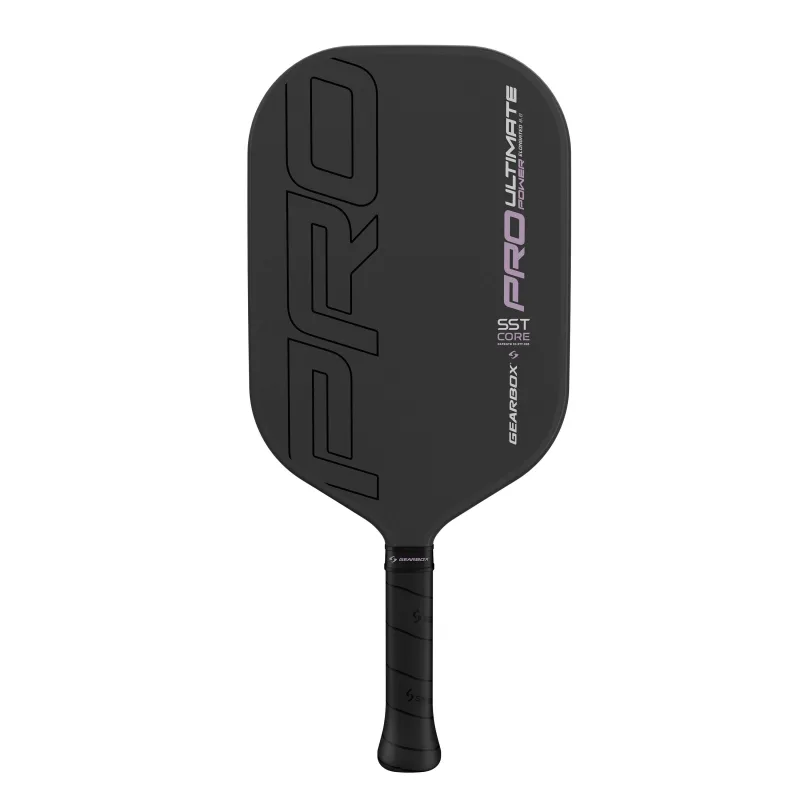
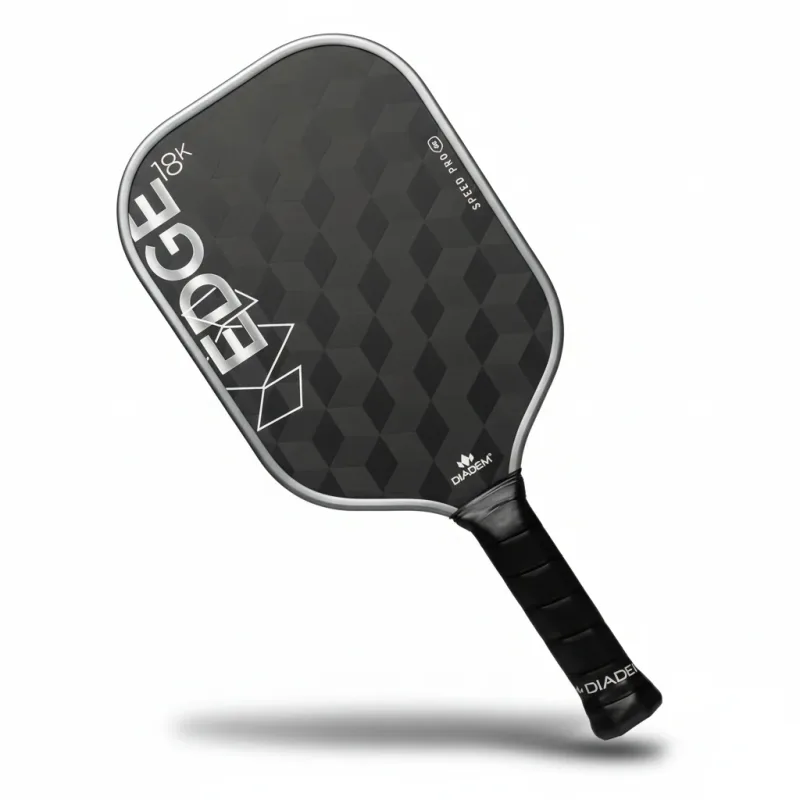
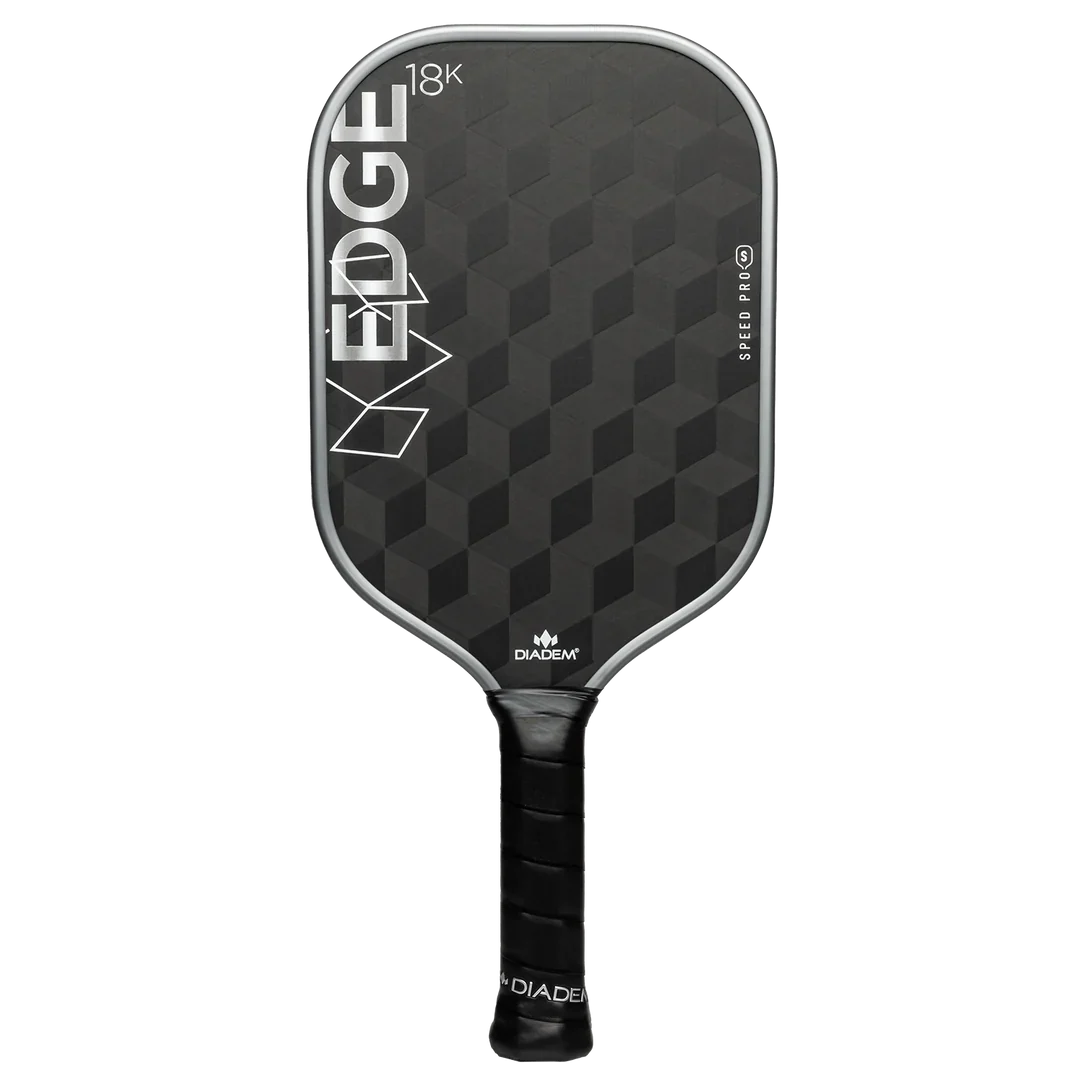
For a long frame with a modern core, try the Paddletek Tempest Wave Pro-C 14.3 Pickleball Paddle or the Gearbox Ultimate Power 14mm Elongated Pickleball Paddle. If spin is your priority, the Diadem Edge 18K Speed Pro Pickleball Paddle is built around a textured, high-grit face.
Core Thickness: 14mm vs 16mm
Core thickness is the second decision after shape. A 16mm core is thicker and softer, which absorbs pace and gives you a longer dwell time — great for dinking, resets, and controlled blocking. A 14mm core is thinner and firmer, producing a crisper, faster response for drives and put-aways.
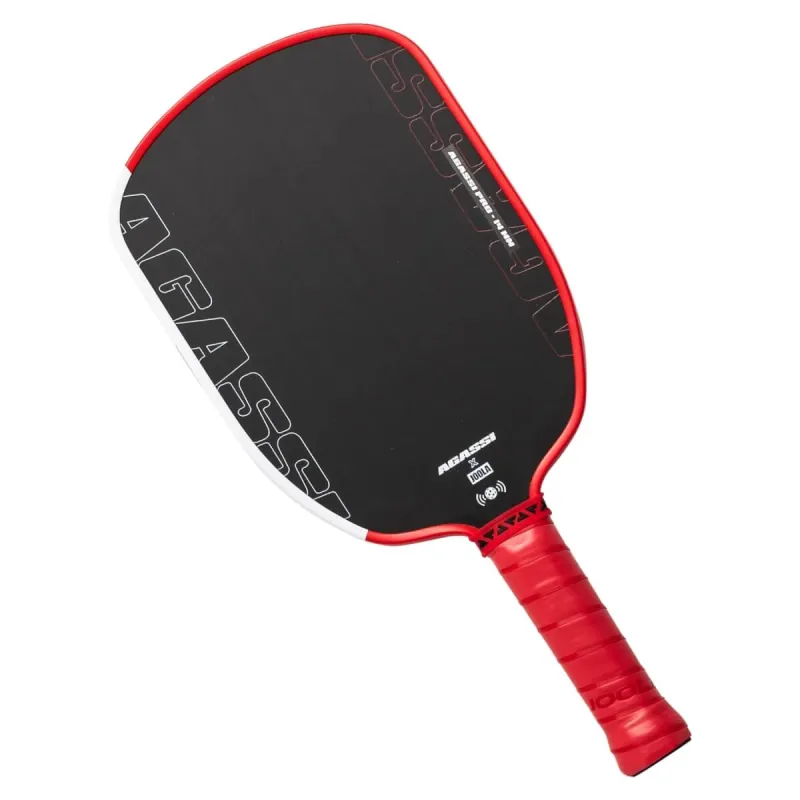
Neither is better; they simply match different games. Defensive, patient players usually prefer 16mm. Attackers and former tennis players often prefer 14mm. Many paddles, such as the JOOLA Andre Agassi Pro Carbon Fiber Pickleball Paddle (14mm & 16mm), are offered in both thicknesses so you can test the difference without changing shape.
Surface and Face Materials
The face determines how the ball grips and how long the texture lasts. Carbon fiber faces are popular because they add spin and a slightly softer, more controllable feel. Raw carbon fiber finishes emphasize grit and spin, while fiberglass faces tend to feel livelier and more powerful at a lower cost. Textured finishes and durable surface treatments are worth paying attention to if you play several times a week, since a worn face loses spin before the paddle itself wears out.
Match Your Paddle With the Right Gear
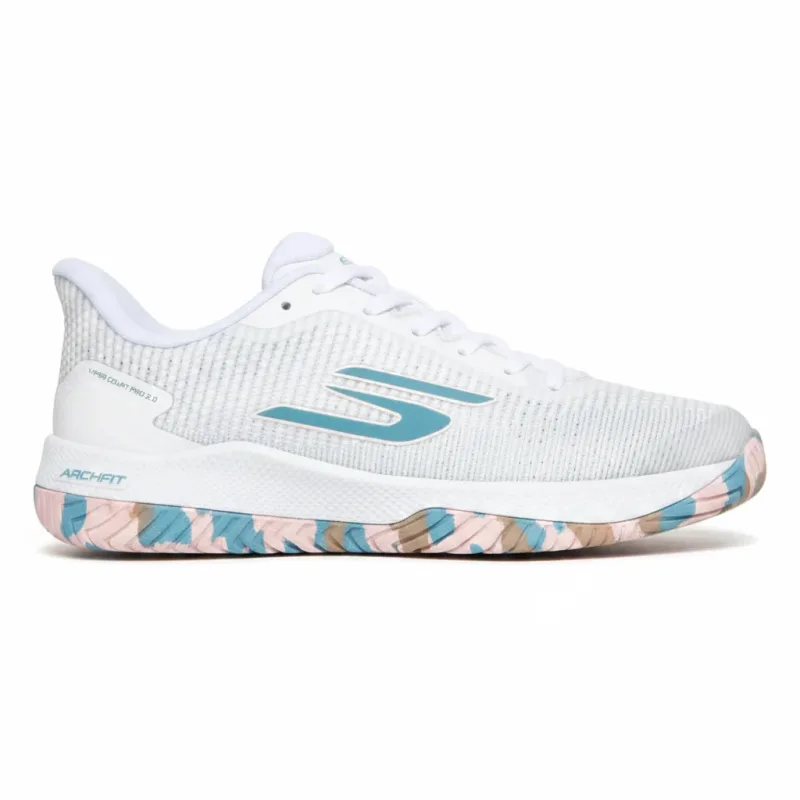
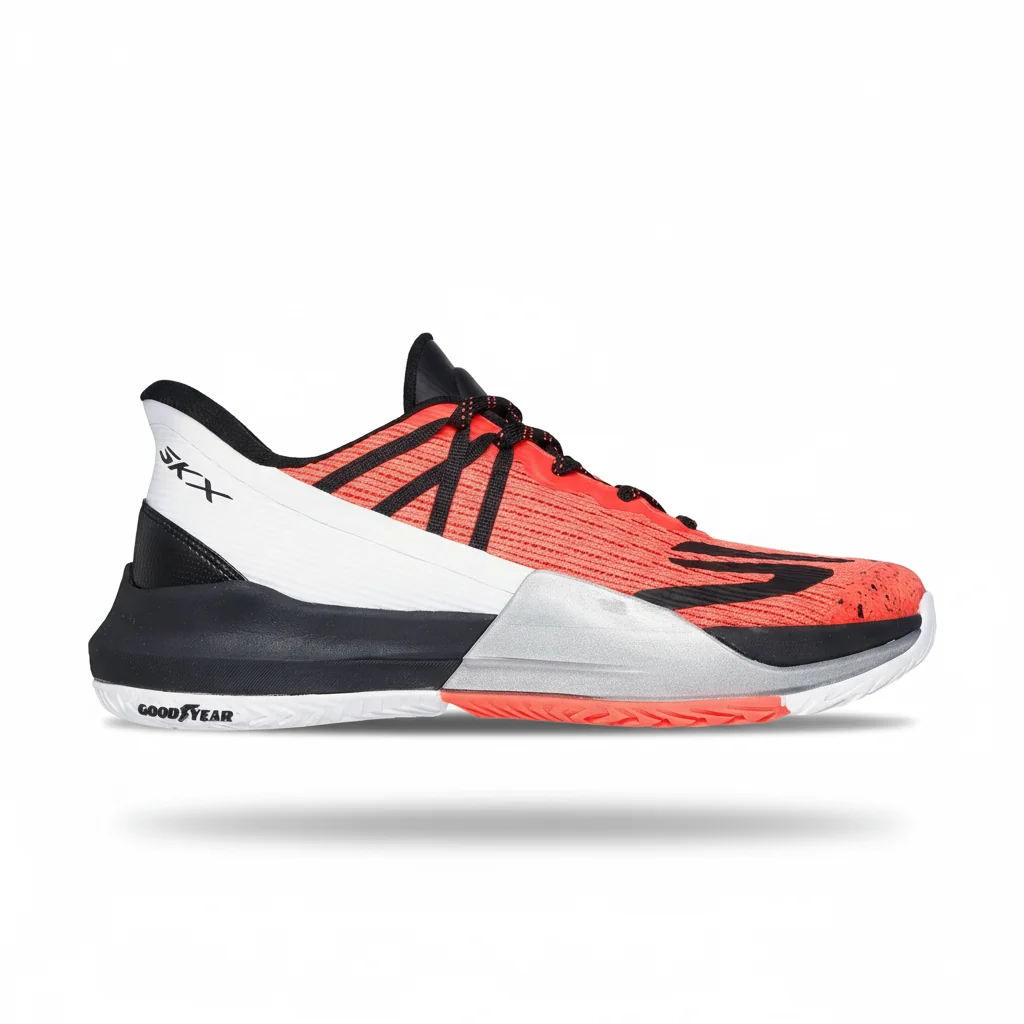
A paddle is only one part of a comfortable setup. Court shoes with good lateral support protect your ankles during quick direction changes — the Skechers Viper Court Pro 2.0 Women’s Pickleball Shoes and the Skechers Viper Baseline Bully Mens Court Shoes are both built for hard courts.
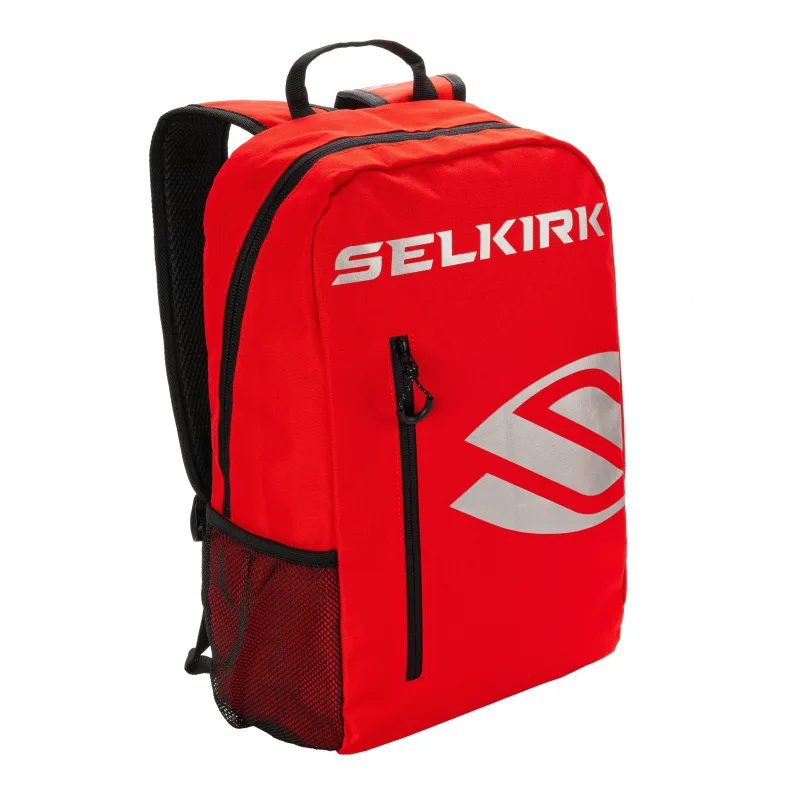
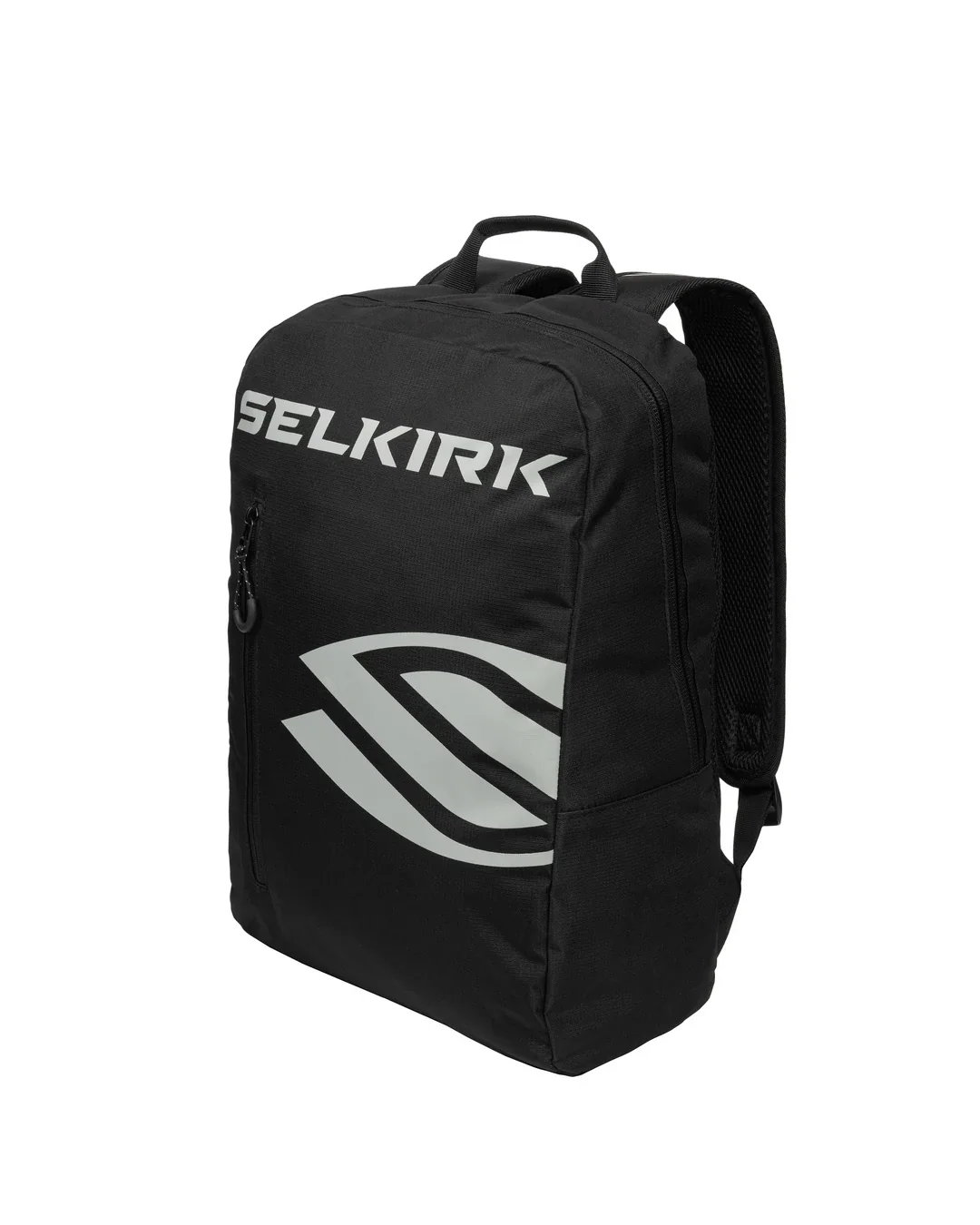
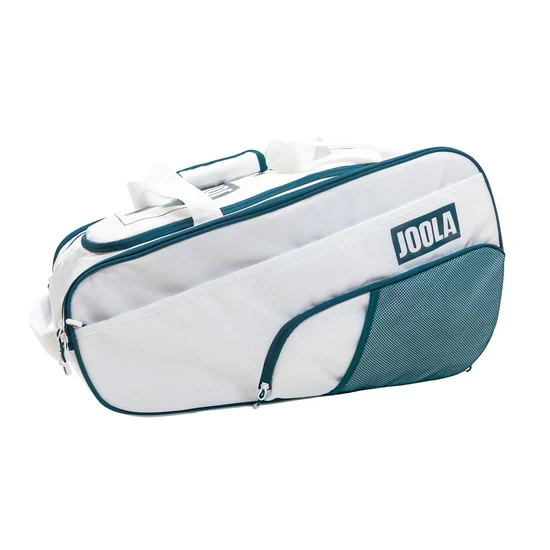
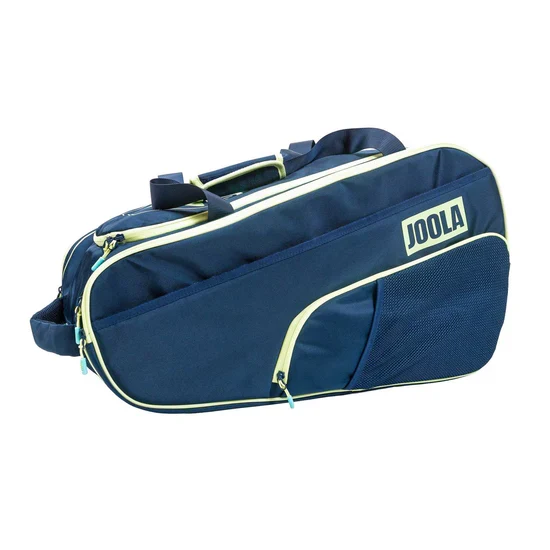
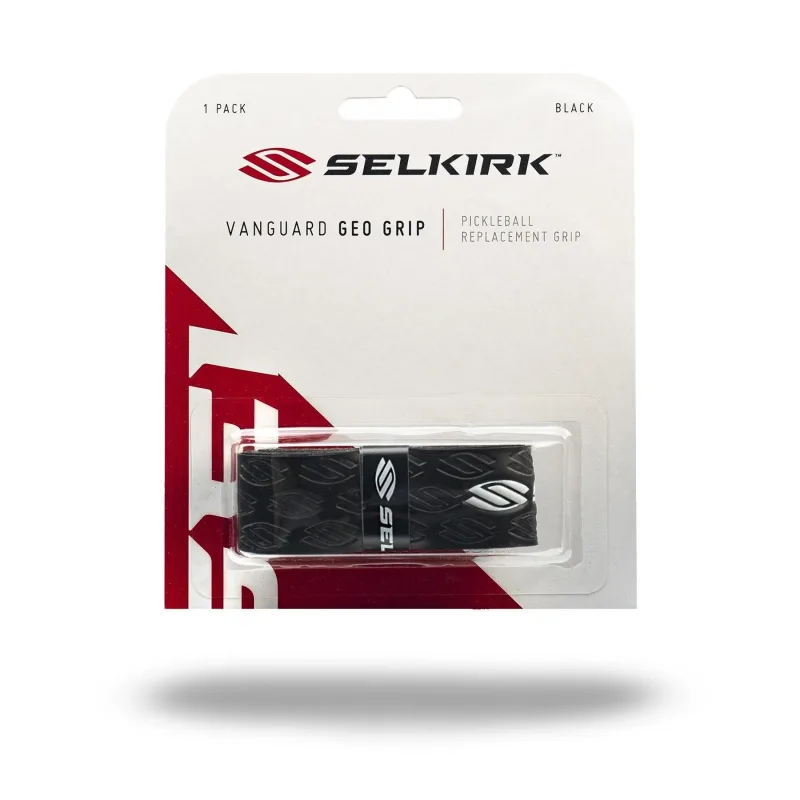
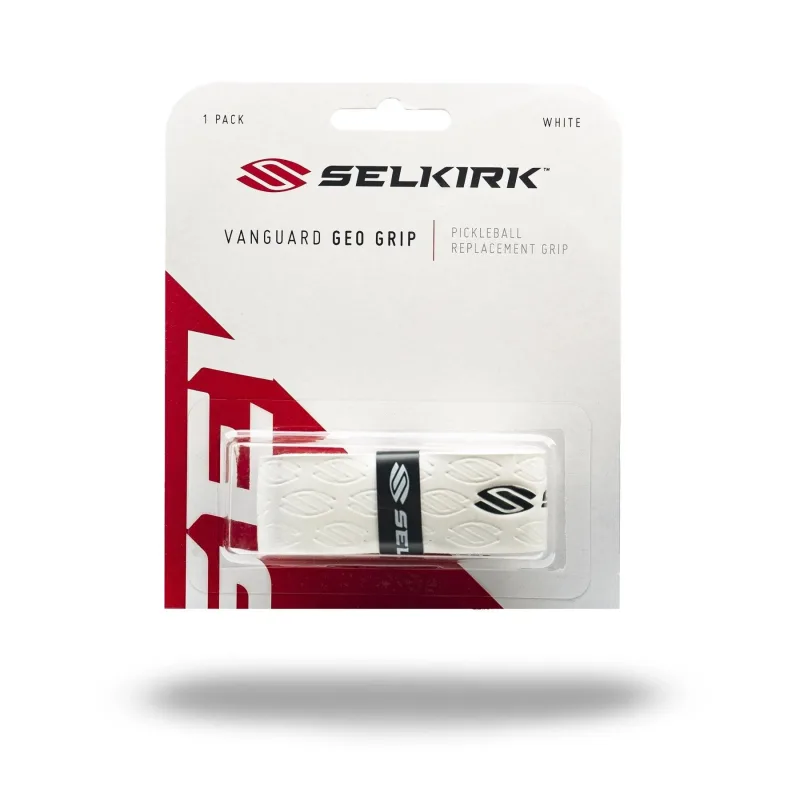
A bag keeps paddles protected and organized. The Selkirk Day Pickleball Core Backpack — 6 Paddle Capacity handles a full quiver, while the JOOLA Tour Elite Pro Pickleball Duffle Bag suits tournament days. Fresh grips matter too: the Selkirk Vanguard Geo Pickleball Grip is an easy, inexpensive upgrade that restores feel.
How to Decide
Start with your weaknesses, not your wants. If you lose points to mishits and erratic blocks, choose a widebody with a 16mm core. If you struggle to finish points or reach wide balls, choose an elongated frame with a 14mm core. If you are unsure, pick a model offered in both shapes and both thicknesses, then test on court. Shape and core do more for your game than any single spec sheet number.