Two paddles can look nearly identical on the rack and play like completely different instruments. Most of that difference hides inside the frame, in a honeycomb core that's usually somewhere between 13mm and 16mm thick. That single number drives how the paddle feels in your hand, how much pop it gives you, and how forgiving it is when you catch the ball slightly off-center.
What the Core Thickness Number Actually Means
A paddle core is a sheet of honeycomb — polypropylene in most cases — sandwiched between two face layers. Manufacturers measure it in millimeters. A 16mm core is thicker, which means more material between the ball and your hand. A 14mm core is thinner, so the ball spends less time on the face before it launches.
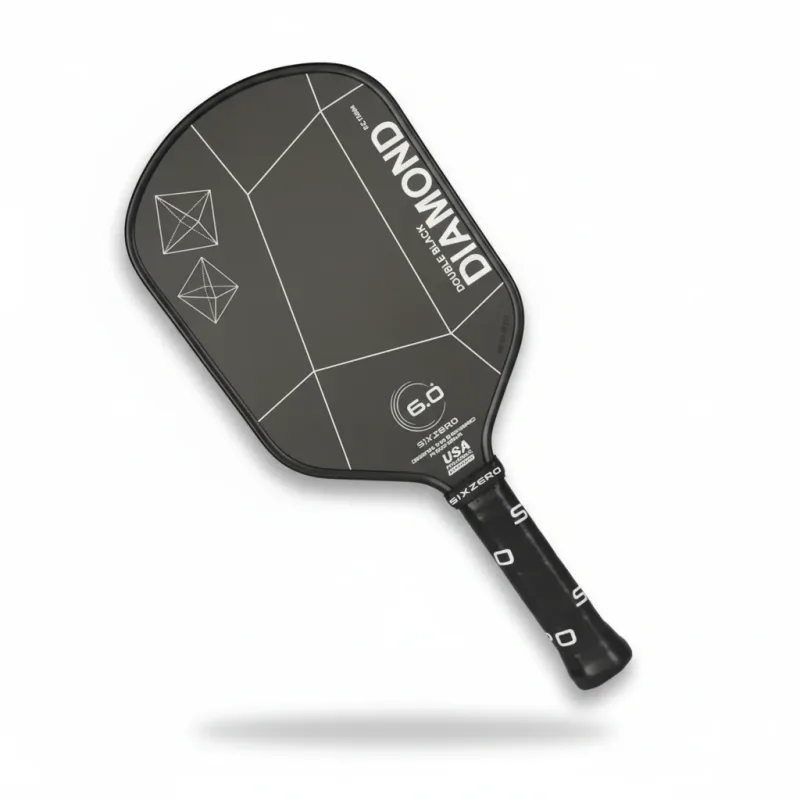
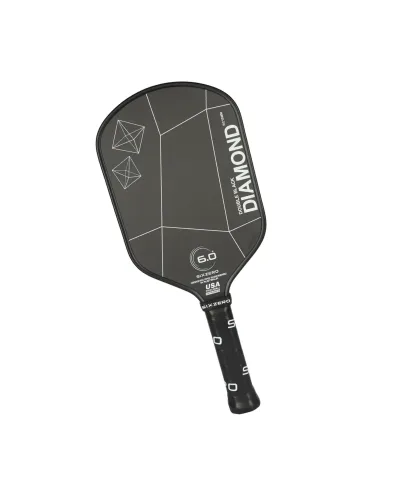
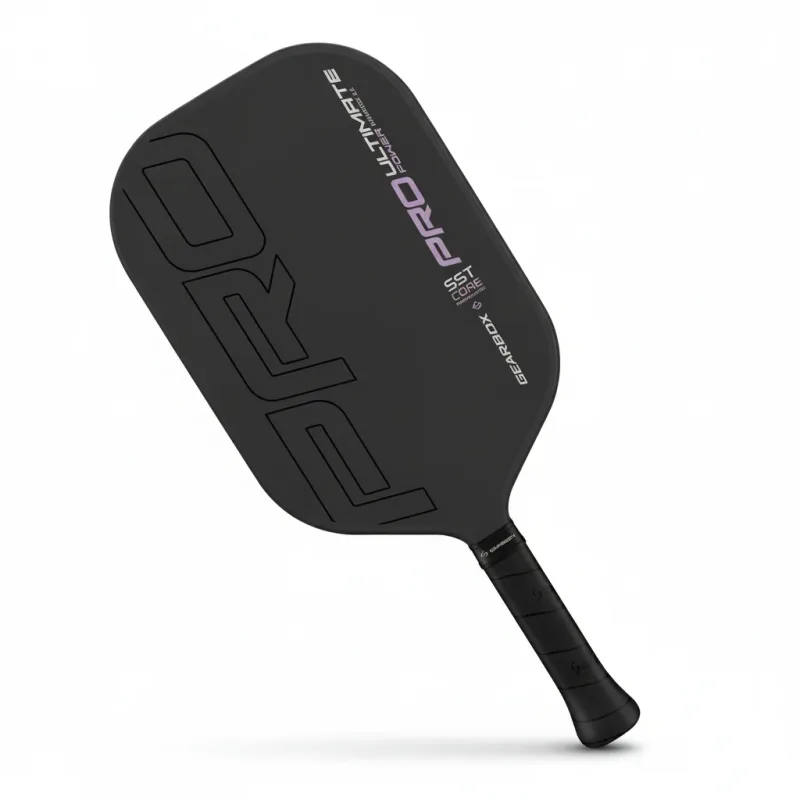
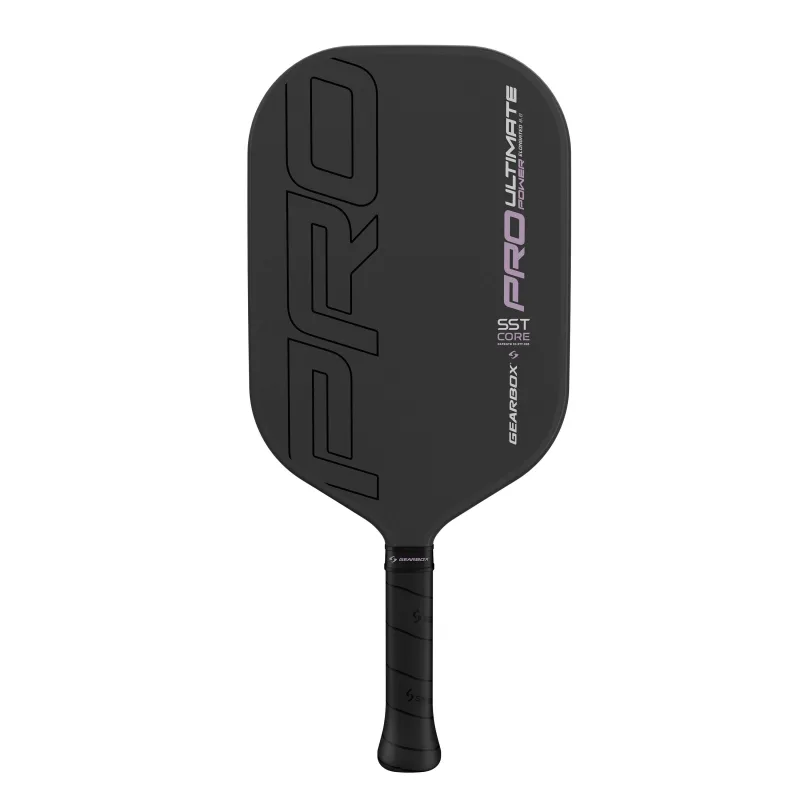
You can see this play out across real models. The Six Zero Double Black Diamond Elongated Control 15mm Pickleball Paddle sits right in the middle of the range and is built around control first. Then you have something like the Gearbox Ultimate Power 14mm Elongated Pickleball Paddle — the name tells you which side of the trade-off it leans toward.
Thicker cores also add weight, usually 0.2 to 0.5 ounces compared to a same-shape 14mm frame. That matters more than most people expect, especially by the third game of the day.
Power vs Control: 16mm Against 14mm
A 16mm core absorbs energy. Dinks stay low. Resets off hard drives settle softly into the kitchen instead of popping up for a put-away. If you're the player who wins points by outlasting opponents rather than blasting through them, this is your thickness.
Players describe 16mm paddles as feeling "dead" in a good way. You swing harder to get the same ball speed, which sounds like a downside until you realize that extra swing gives you spin and placement. The JOOLA Steffi Graf Pro 16mm Carbon Fiber Pickleball Paddle is a good example — the 16mm core tames the carbon face so the whole package stays controllable.
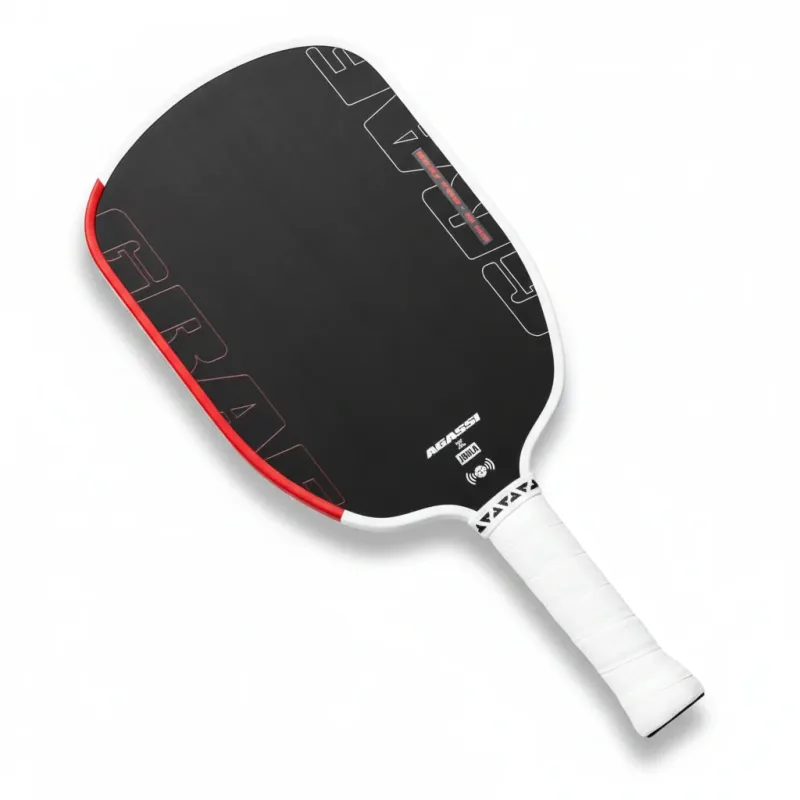
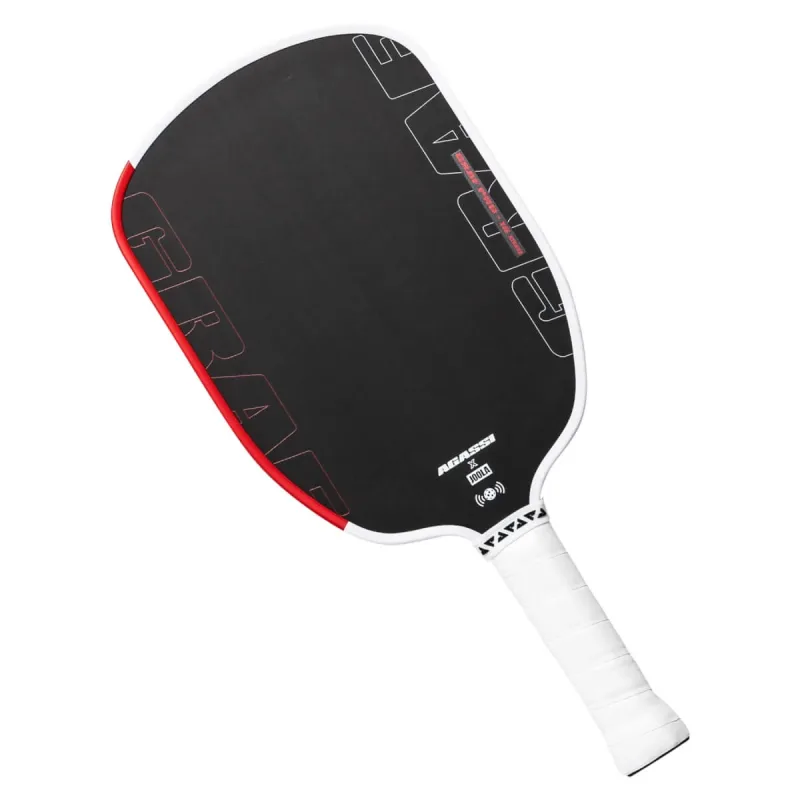
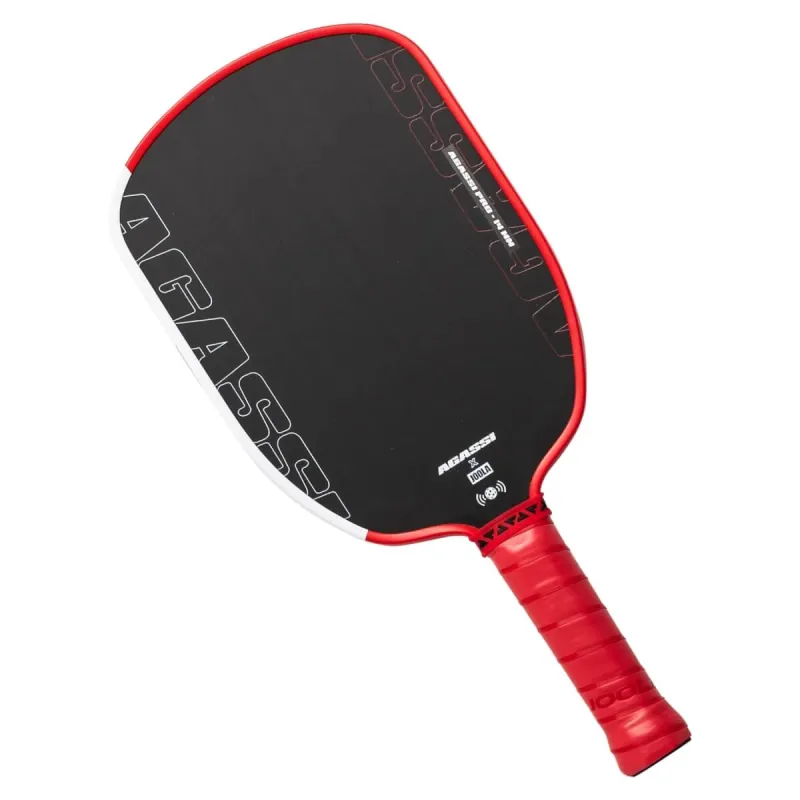
Go down to 14mm and everything speeds up. Blocks turn into counterattacks. Serves come off the face with noticeably less effort. The catch is touch. Soft hands take practice on a thin core, and a mis-hit dink can sail long. The JOOLA Andre Agassi Pro Carbon Fiber Pickleball Paddle (14mm & 16mm) is sold in both thicknesses for exactly this reason — same frame, two different games.
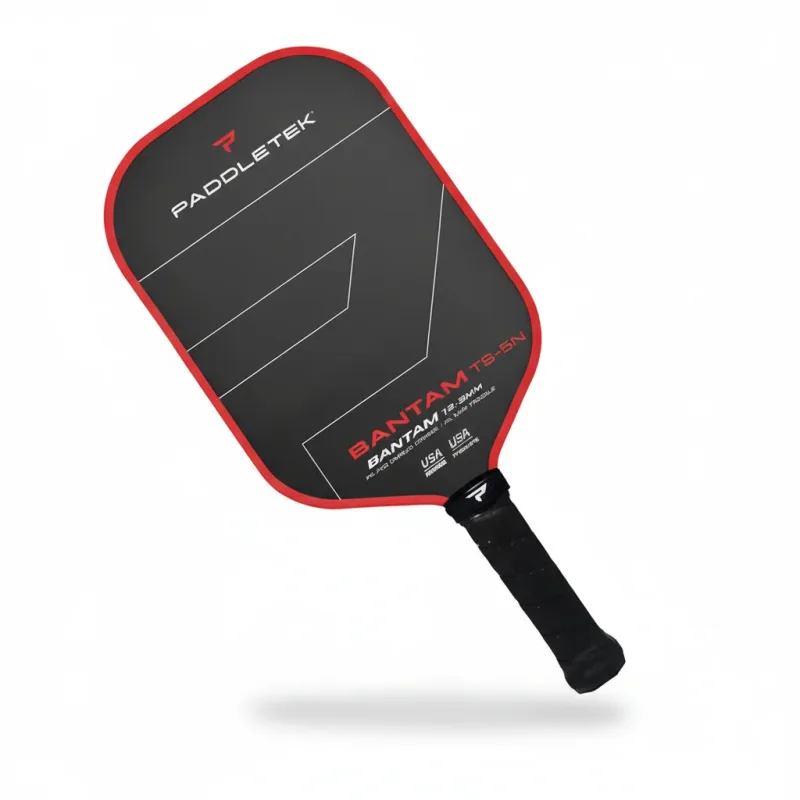
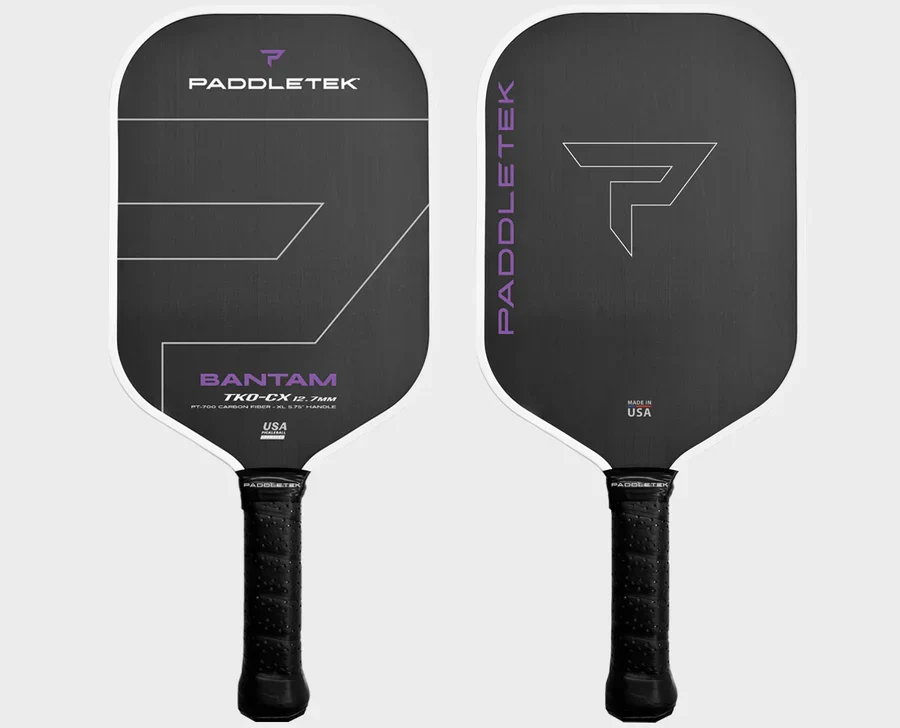
Worth mentioning: a few paddles push past the usual range. The Paddletek Bantam TKO-CX 12.7 Pickleball Paddle uses a 12.7mm core, which is thin even by aggressive standards. That's a paddle for someone who already has soft hands and wants maximum drive speed.
Shape Changes the Math
Core thickness doesn't work alone. Shape sets the sweet spot size and where it sits.
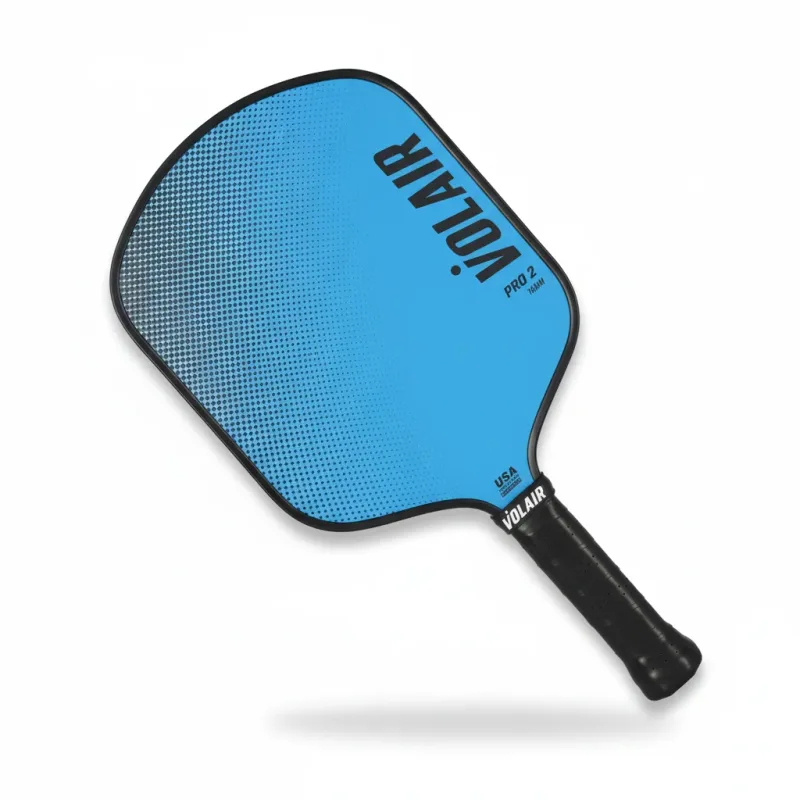
- Widebody — wider face, shorter overall length. Bigger sweet spot, more forgiveness on off-center hits. The Volair Pro 2 Widebody Fiberglass Pickleball Paddle follows this formula, and widebody frames pair naturally with 16mm cores for a very forgiving setup.
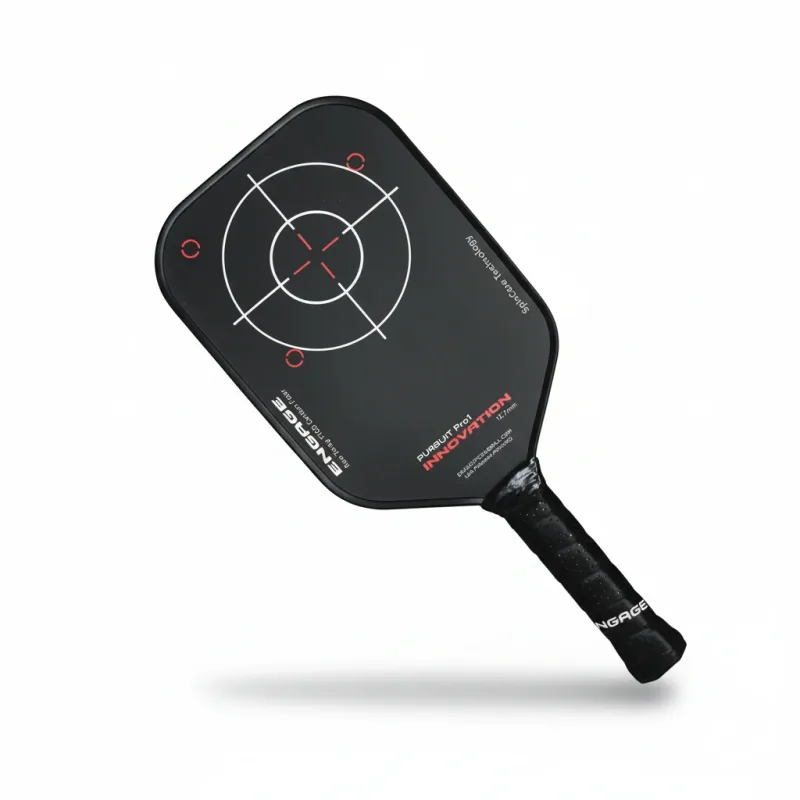
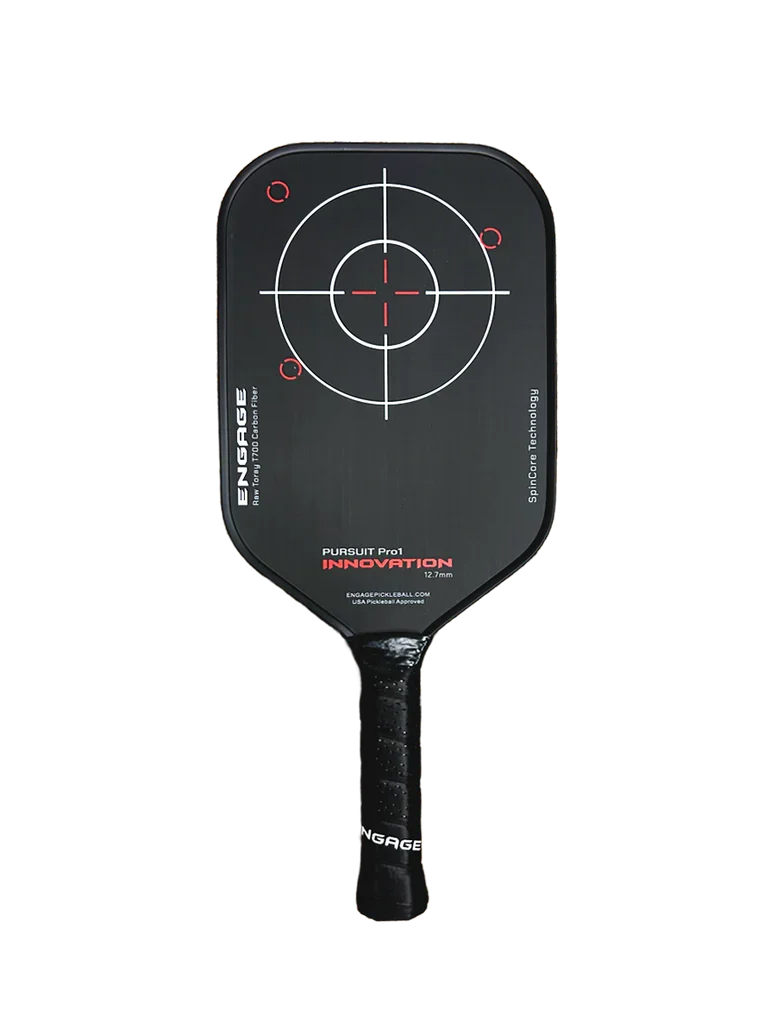
- Elongated — narrower face, longer reach. More leverage on serves and overheads, smaller sweet spot, sweet spot sits higher toward the tip. The Engage Pursuit Pro1 Innovation 12.7mm Pickleball Paddle uses an elongated shape with a thin core, aimed at players who want reach and speed together.
- Hybrid — splits the difference. Slightly elongated face, slightly wider than a pure elongated frame. Most players end up here after a season or two of experimenting.
If you have a two-handed backhand or play a lot of singles, elongated makes sense. Doubles players who live at the kitchen line usually get more from a widebody.
Face Material and Price Tiers
The core sets the feel. The face sets the spin and durability.
Fiberglass is the budget-friendly option — textured, grippy, and it generates spin easily without much technique. It also wears faster and the texture flattens over months of play. Carbon fiber costs more, stays rougher longer, and tends to feel stiffer and more predictable on blocks. Raw carbon faces are the current favorite among players who want spin without relying on a coating.
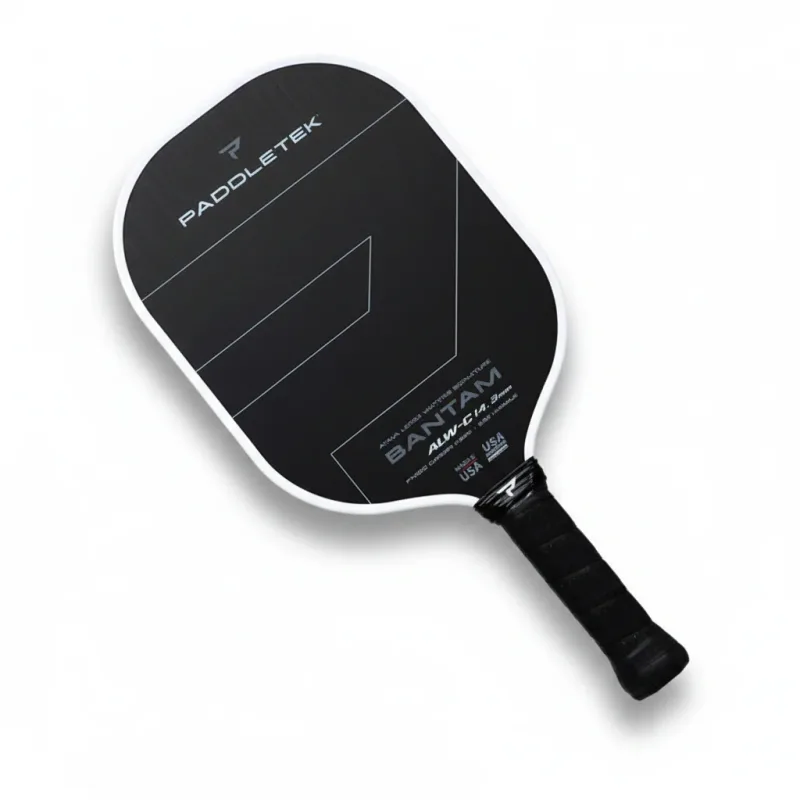
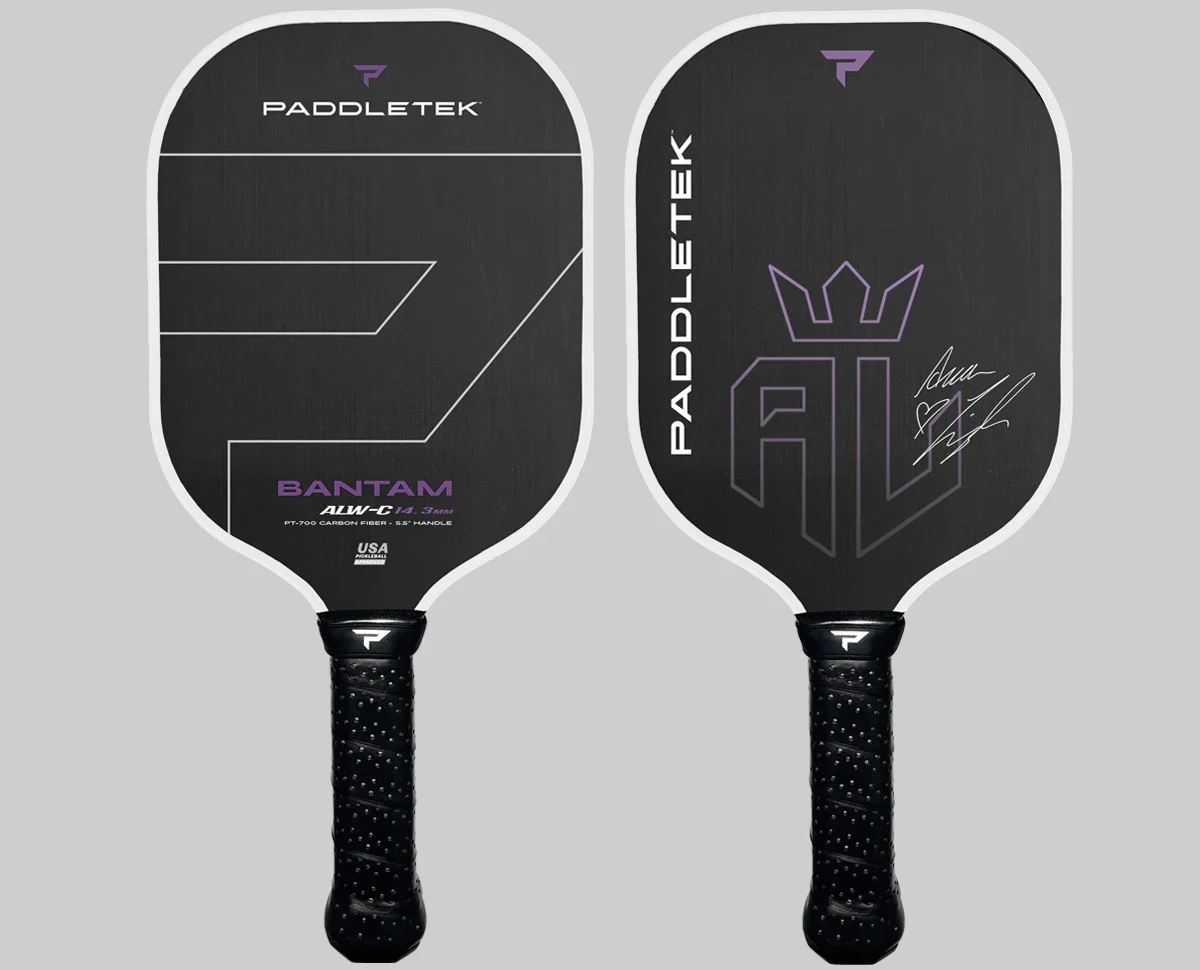
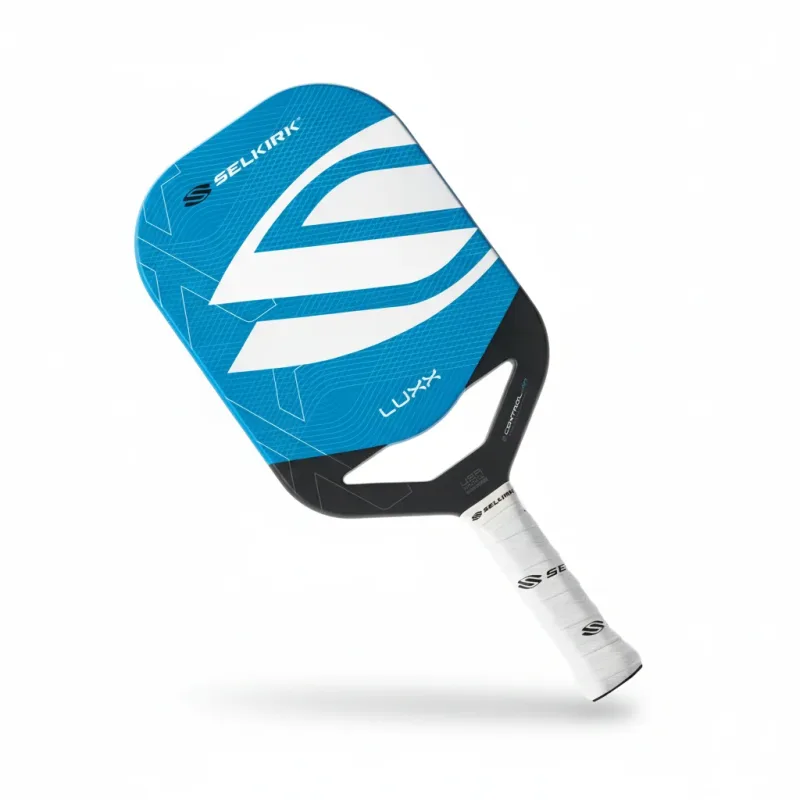
The Paddletek Bantam ALW-C 14.3 Raw Carbon Fiber Pickleball Paddle combines a mid-thin core with a raw carbon face, which is a common recipe for players who want both spin and a bit of pop. On the premium end, the Selkirk LUXX Control Air with InfiniGrit Invikta Pickleball Paddle layers an aerodynamic edge and a textured grit surface on top of a control-oriented build.
You don't need to spend top dollar. A $60 fiberglass widebody will beat a $250 carbon paddle in the hands of a player who's still learning to keep dinks low. Upgrade when the paddle is limiting you, not before.
Matching a Paddle to Your Style
Here's a rough framework that's served me well:
- New to the game, still losing points to unforced errors → 16mm core, widebody, fiberglass face.
- Solid dinker, wants more spin → 16mm or 15mm, any shape, carbon or raw carbon face.
- Banger who drives everything → 14mm or thinner, elongated, carbon face.
- Tweener who plays both → 14mm–16mm hybrid, and honestly, buy two and rotate.
Two Checks Before You Buy
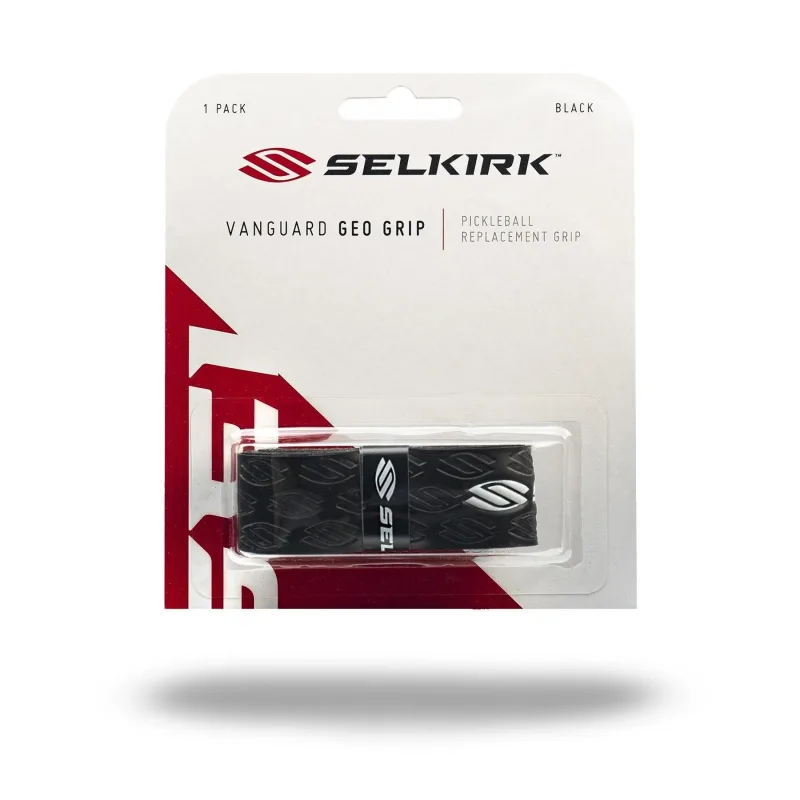
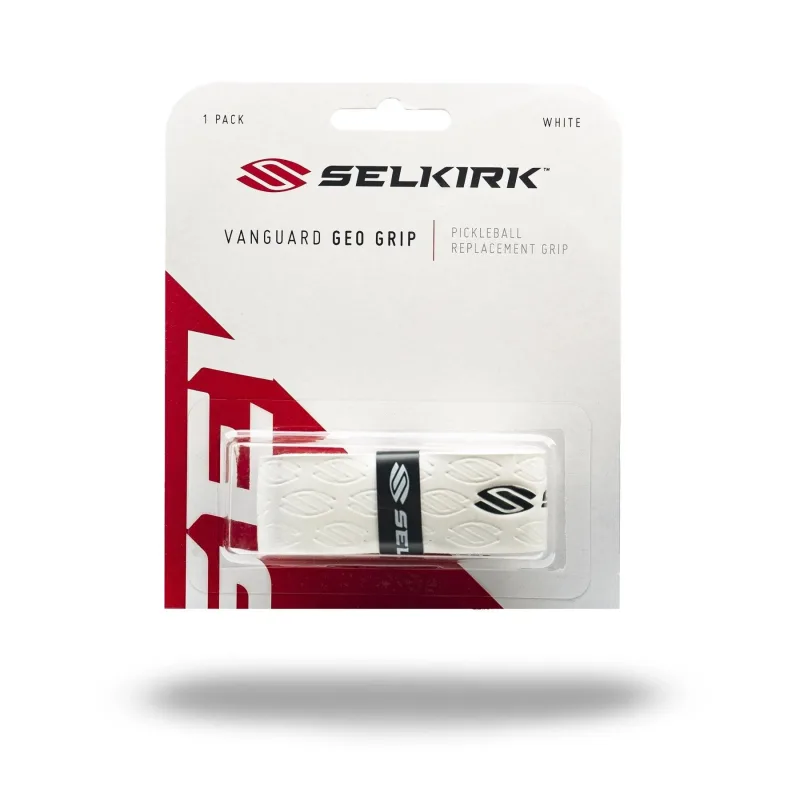
Grip size first. Too small and you'll over-grip, which kills wrist snap and tires your forearm. Too large and you lose feel on dinks. Most adults land between 4.0" and 4.25"; if you're between sizes, buy the smaller one and add an overgrip. A pack of Selkirk Vanguard Geo Pickleball Grip costs less than a court reservation and changes how the paddle feels in your hand.
Then weight. Weigh the paddle you're considering, or check the listed spec, and compare it to what you use now. Jumping from 7.8 oz to 8.4 oz doesn't sound like much until you're in a third game of a tournament. If you're not sure, stay within 0.3 oz of your current paddle and adjust later.