Why Paddle Shape Matters More Than You Think
Walk onto any court and you'll see the same pattern: players swapping paddles, chasing a feel they can't quite name. Often, the missing piece isn't the brand or the price — it's the shape. A pickleball paddle generally falls into two families: widebody and elongated. Each shape changes your sweet spot, reach, and how forgiving the paddle feels on off-center contact.
Widebody paddles are shorter and broader, which pushes the sweet spot outward and makes them extremely stable on blocks and dinks. Elongated paddles trade some of that forgiveness for extra reach and leverage on serves and drives. Neither is "better" — they simply reward different playing styles.
Widebody Paddles: Stability and a Big Sweet Spot
If you play a control-first game built on dinks, resets, and consistent third-shot drops, a widebody shape is usually the easier place to start. The wider face gives you more margin for error, so mishits still travel where you intended.
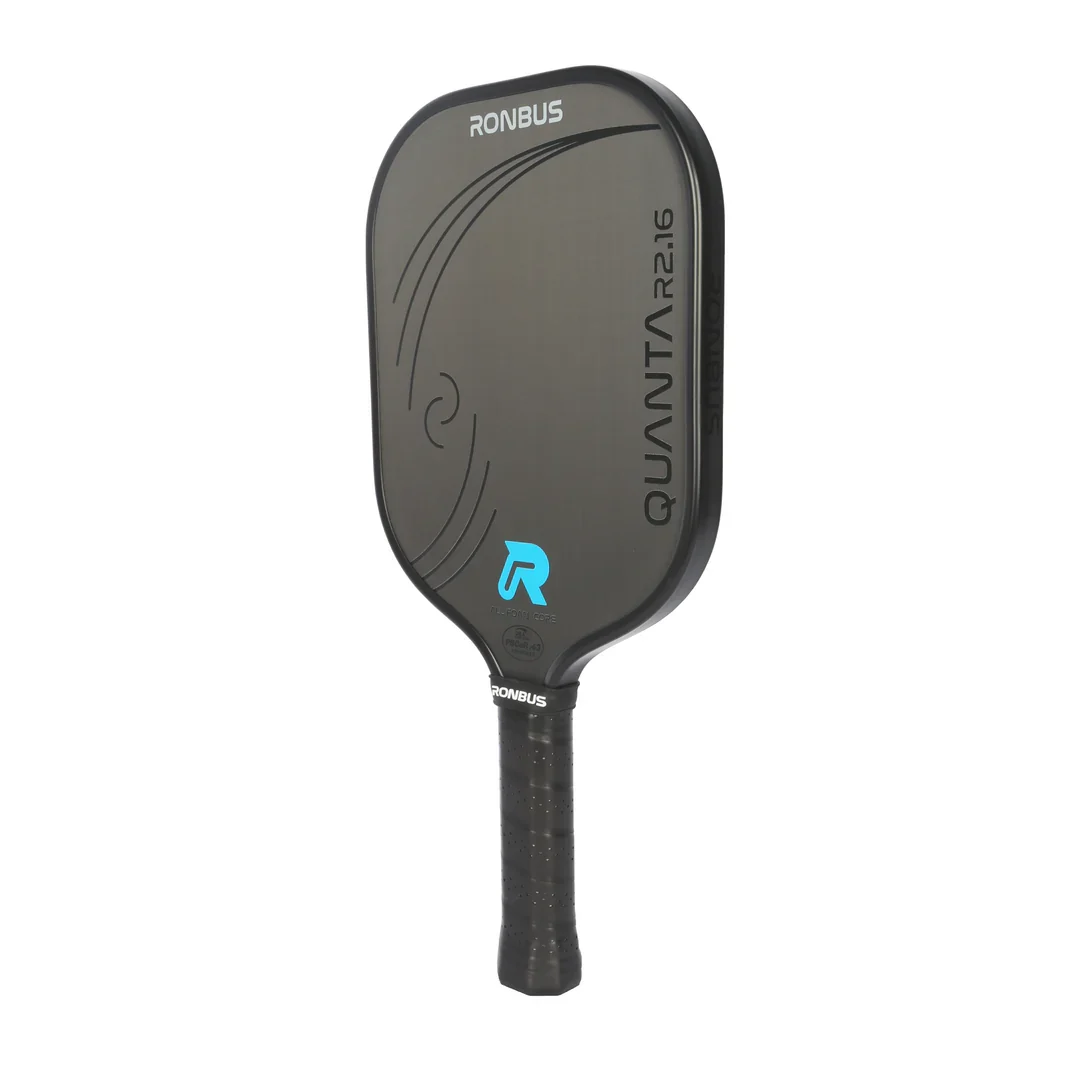
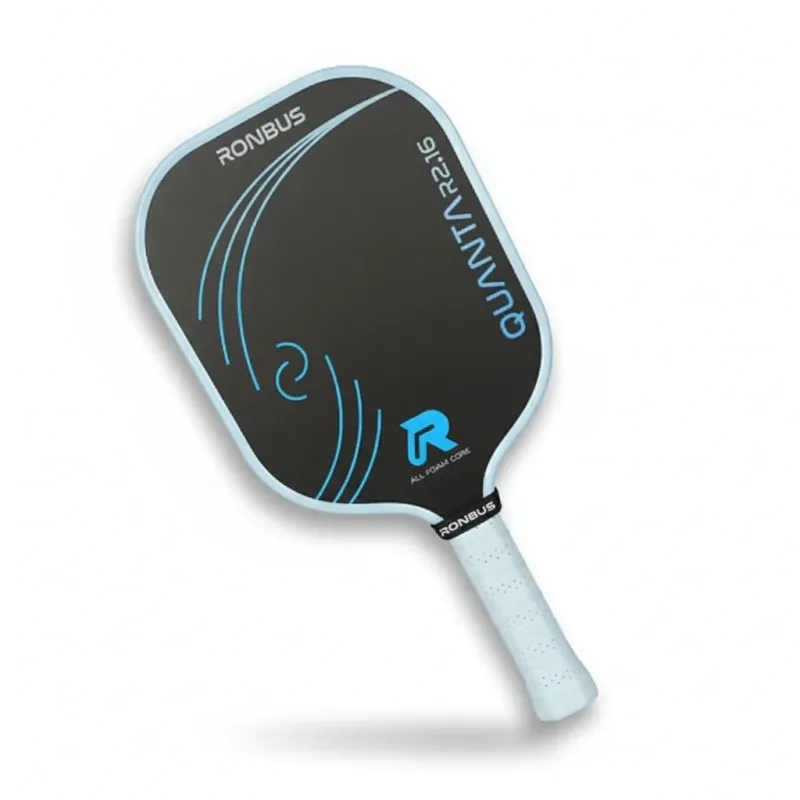
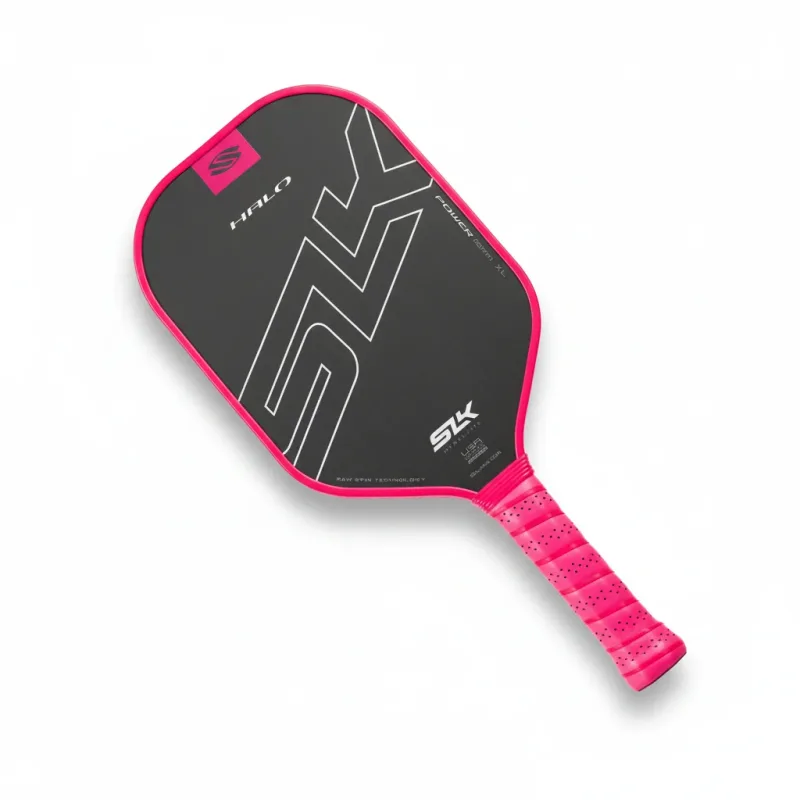
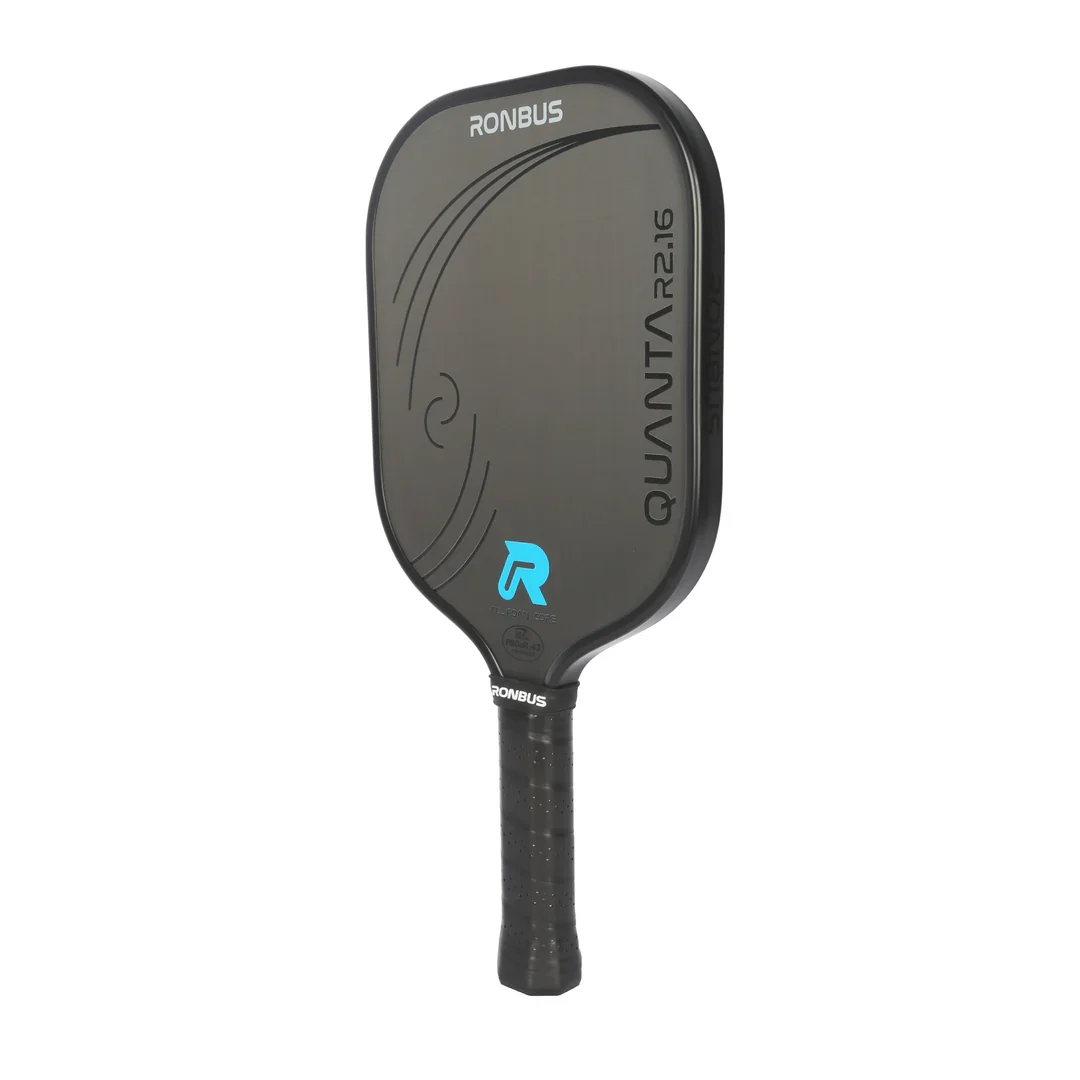
Good examples in our lineup include the Ronbus Quanta R2.16 Pickleball Paddle, which pairs a forgiving face with a 16mm core for a soft, predictable feel. Players who want a bit more pop without losing control often look at the Selkirk SLK Halo Power Max Pickleball Paddle, a widebody option designed to add pace to your drives while keeping the sweet spot generous.
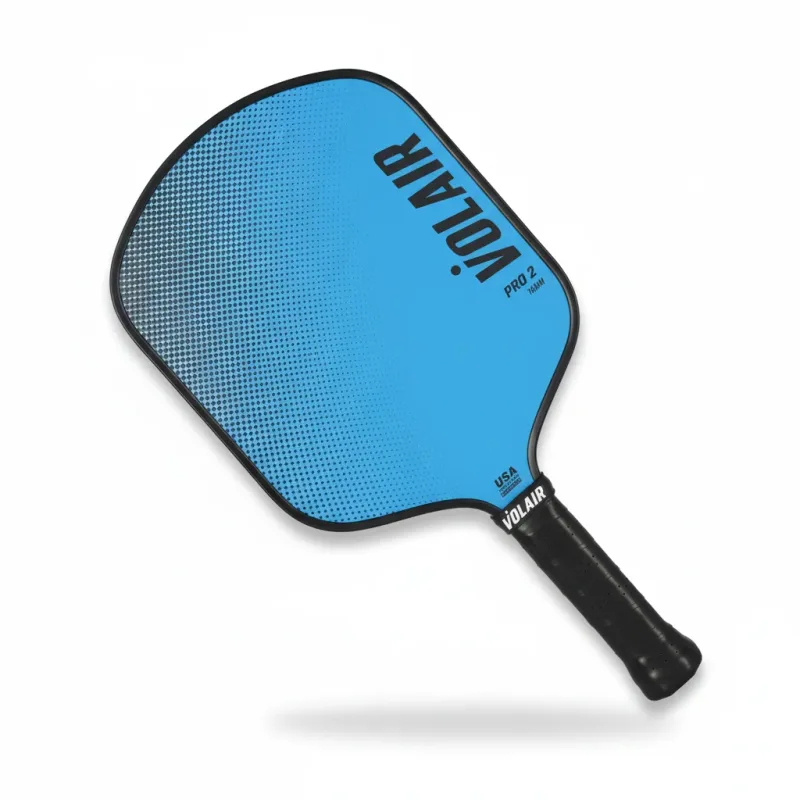
Budget-conscious beginners and recreational players frequently land on the Volair Pro 2 Widebody Fiberglass Pickleball Paddle, a straightforward fiberglass build that delivers a crisp, responsive hit without a steep learning curve.
Elongated Paddles: Reach, Leverage, and Power
Elongated paddles stretch the face vertically. That extra length extends your reach at the kitchen line and increases swing leverage, which translates into more speed on serves and drives. The trade-off is a slightly smaller sweet spot and less twist resistance — you'll feel mishits more.
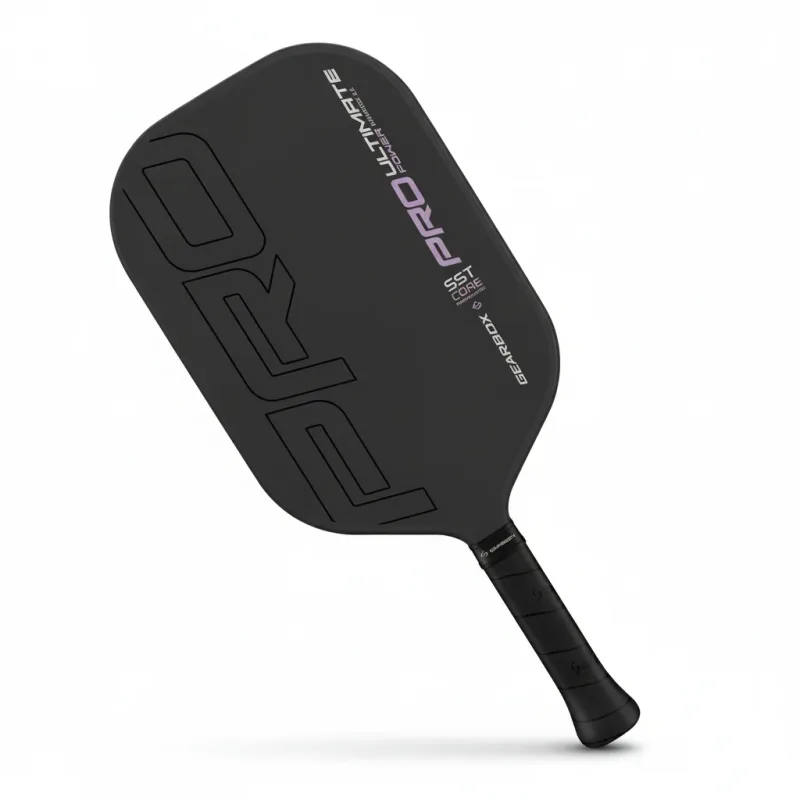
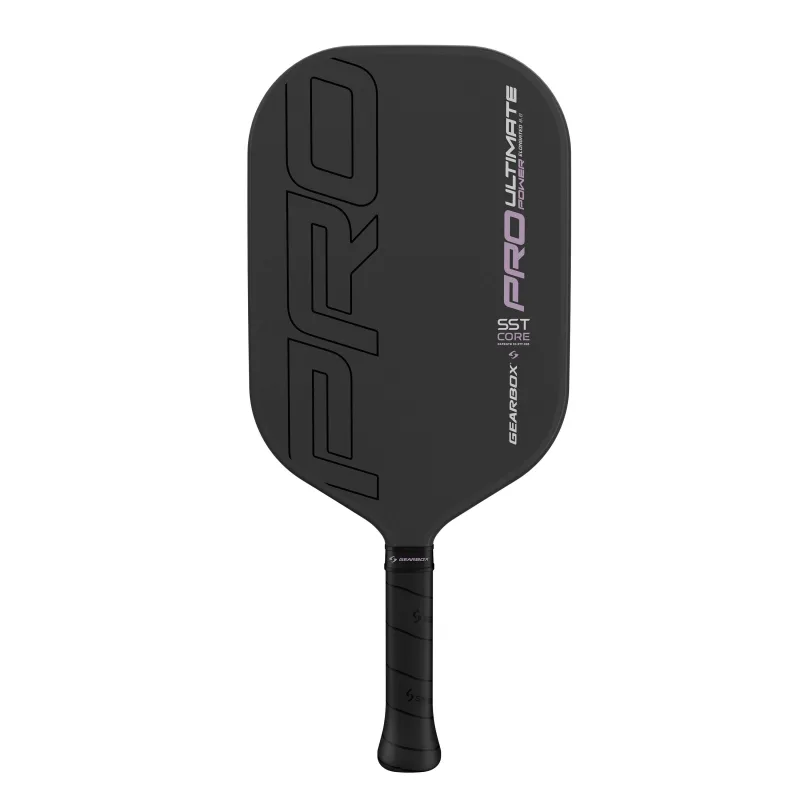
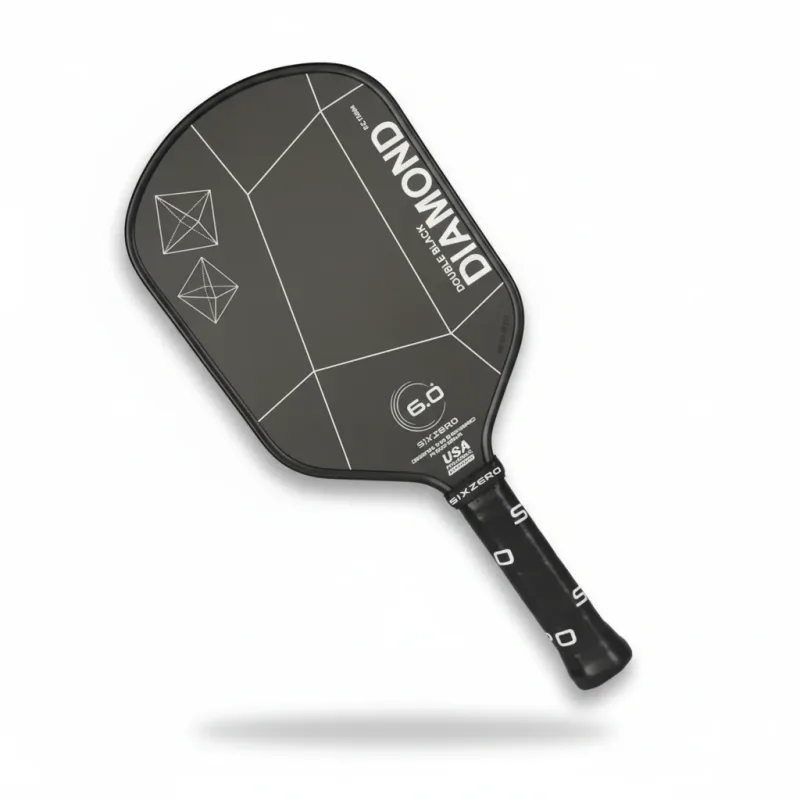
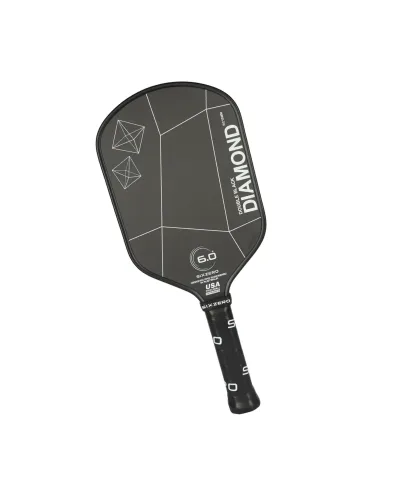
For players ready to commit to that shape, the Gearbox Ultimate Power 14mm Elongated Pickleball Paddle is built around exactly that goal: power and reach in a 14mm profile. If you prefer a control-leaning elongated build, the Six Zero Double Black Diamond Elongated Control 15mm Pickleball Paddle combines the longer shape with a thicker core for a softer, more predictable response.
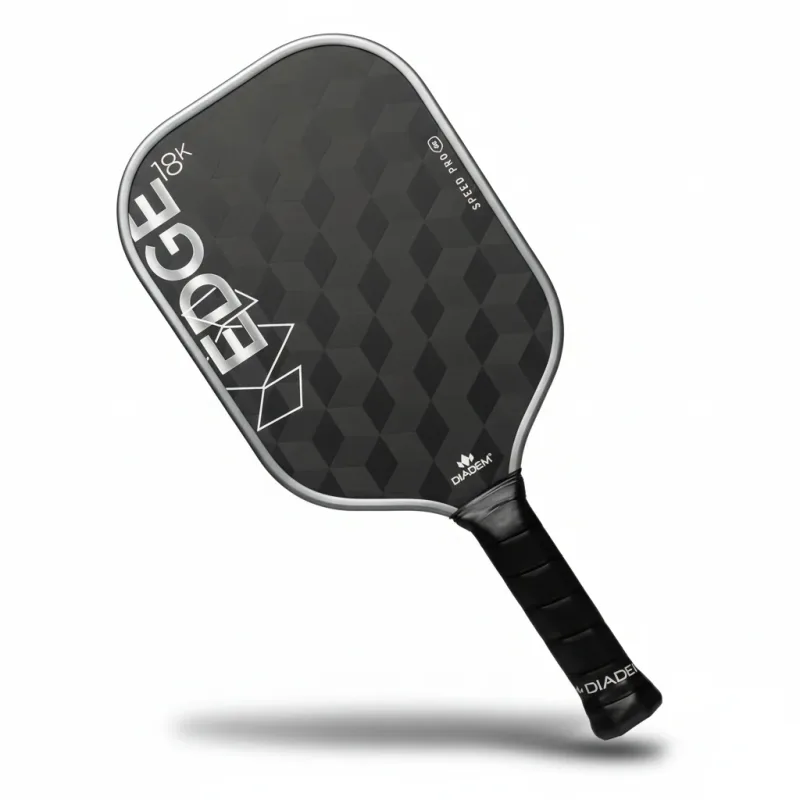
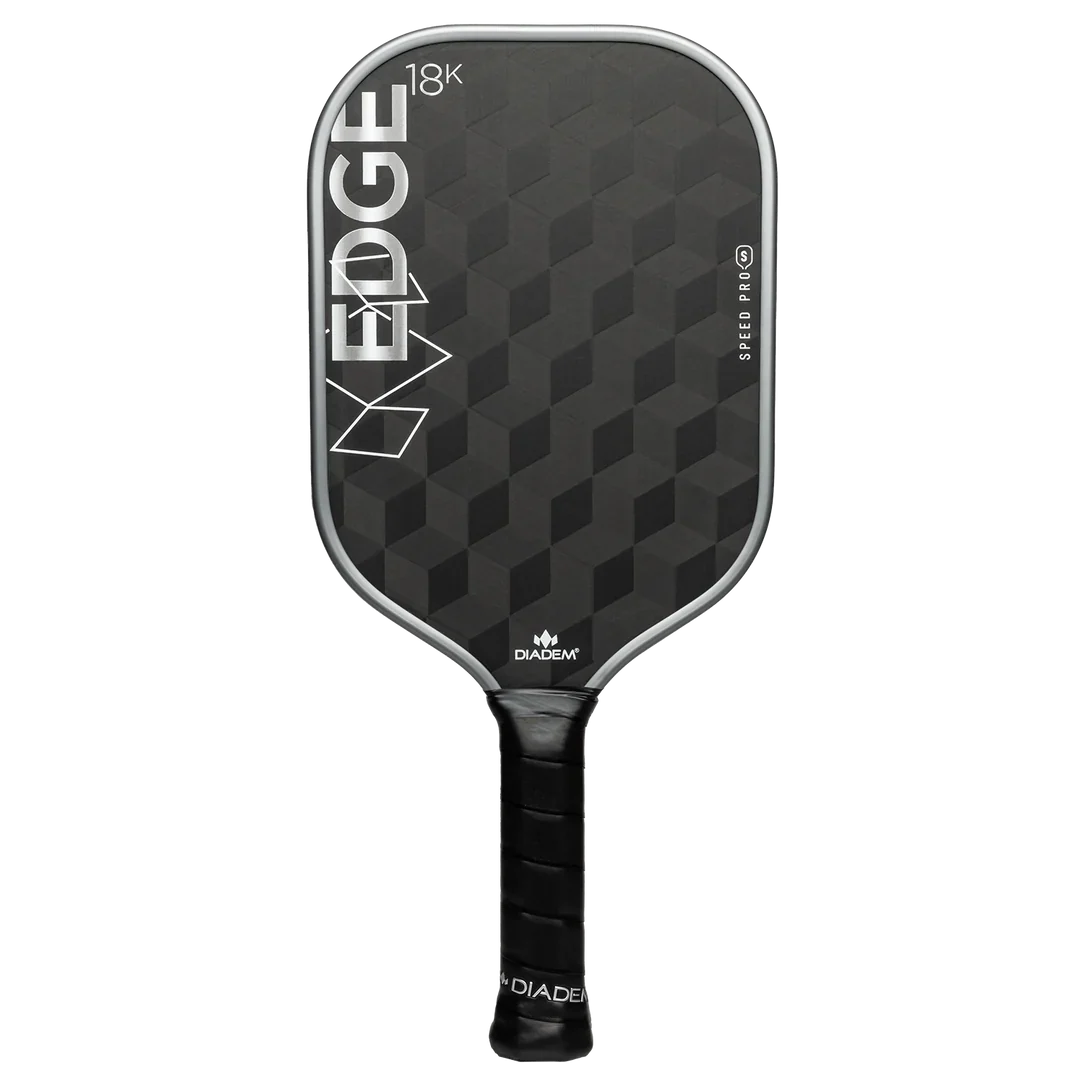
Carbon fiber fans often gravitate toward the Diadem Edge 18K Speed Pro Pickleball Paddle, which uses an 18K carbon fiber surface engineered for spin and a fast, lively feel off the face.
Surface and Core Basics: Carbon Fiber, 14mm vs 16mm
Shape gets you in the right neighborhood; surface and core decide how the paddle actually feels.
- Carbon fiber faces tend to grip the ball longer, producing more spin and a slightly softer, more controlled response.
- Fiberglass faces are typically crisper and offer easier power with less effort.
- 16mm cores feel softer, absorb pace well, and suit dinking and reset-heavy play.
- 14mm cores feel firmer and livelier, giving quicker pop on drives and counters.
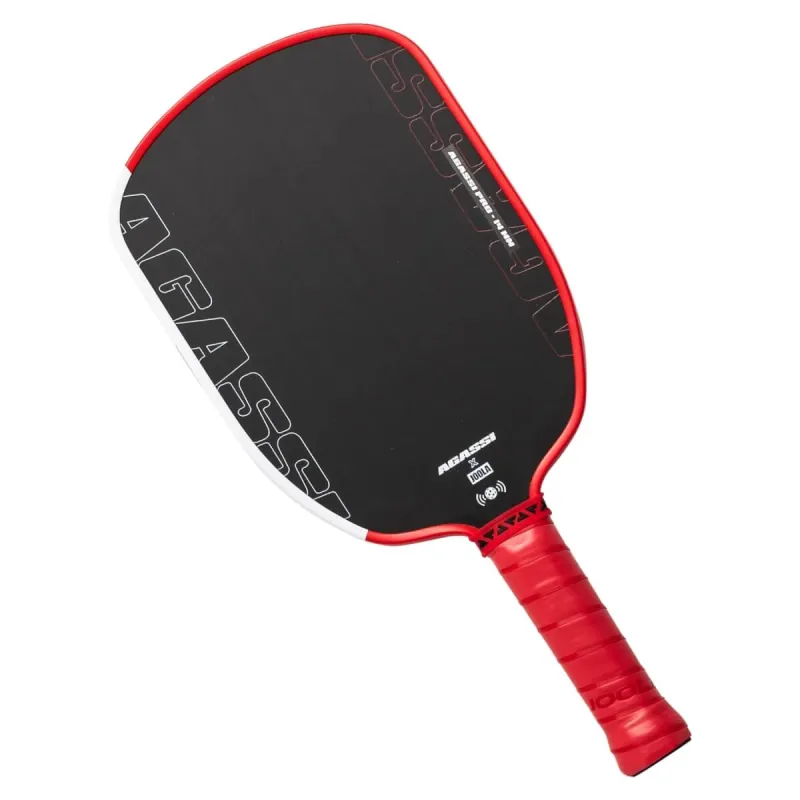
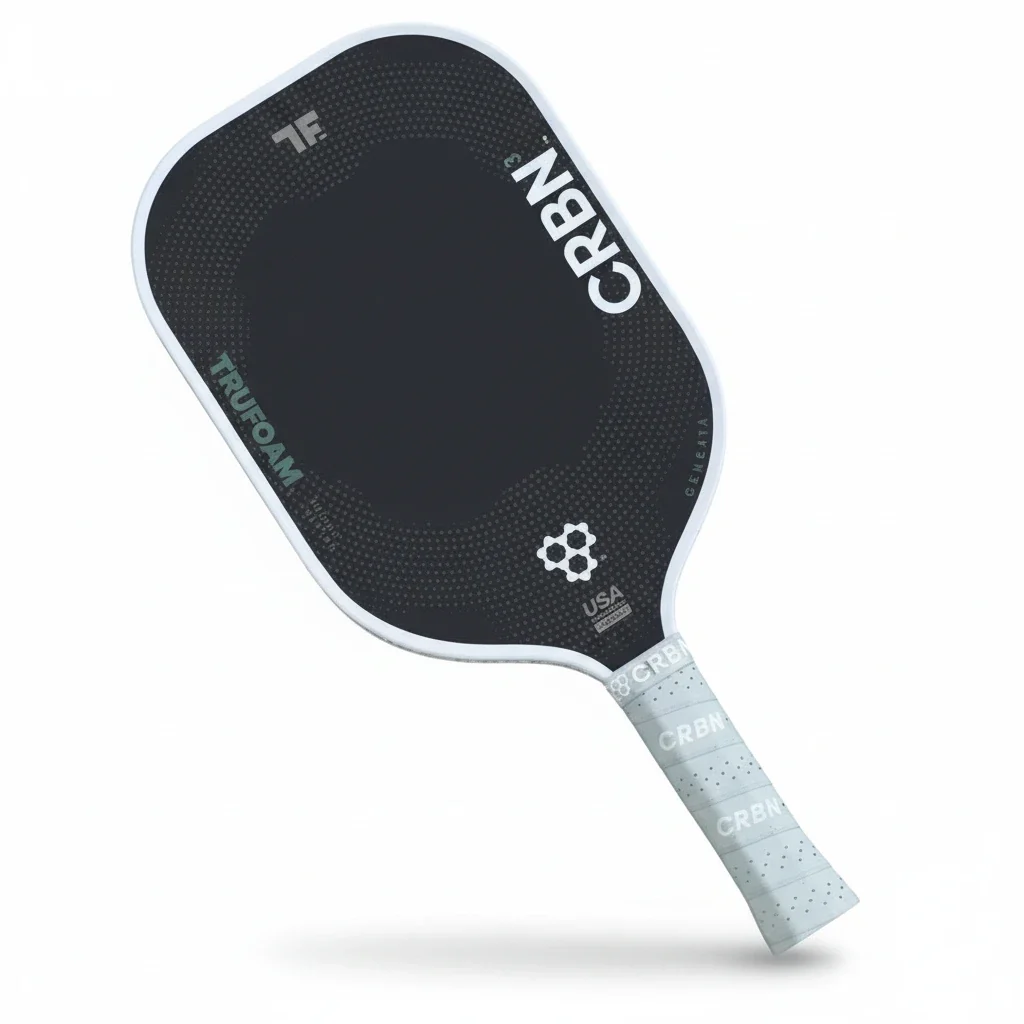
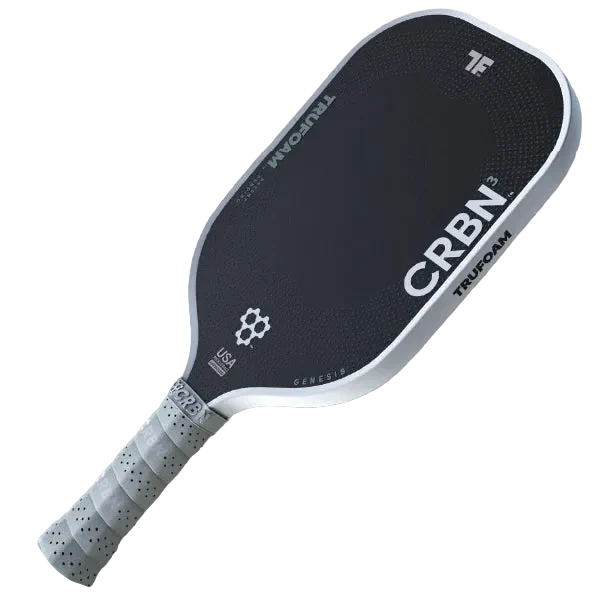
Carbon fiber options such as the JOOLA Andre Agassi Pro Carbon Fiber Pickleball Paddle (14mm & 16mm) let you pick your core thickness in the same model, which is a smart way to test which feel suits you. The CRBN³ TRUFOAM Genesis Pickleball Paddle is another carbon fiber build worth comparing if spin and durability are priorities.
Don't Forget the Rest of Your Gear
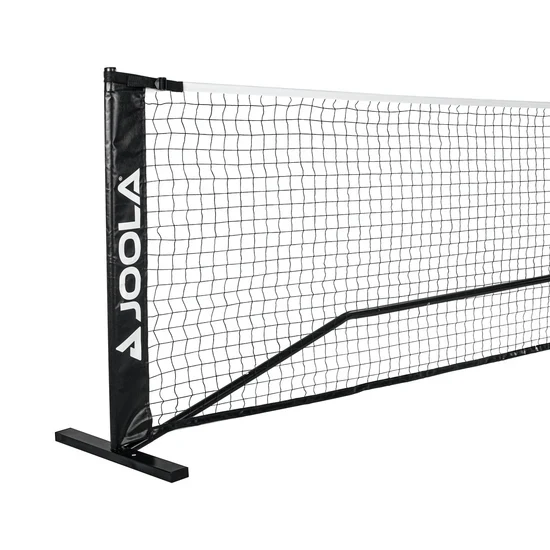
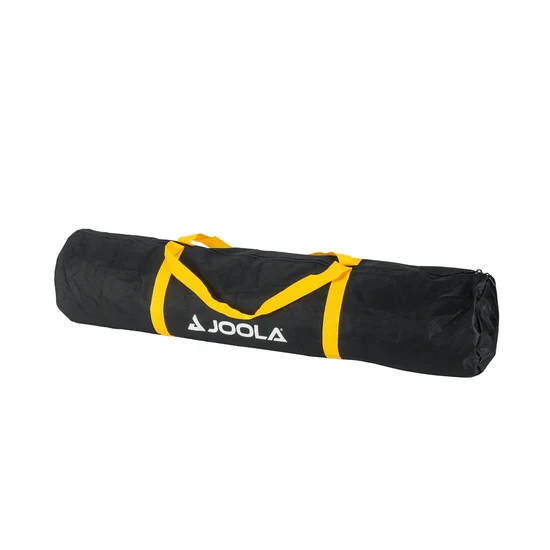
A paddle is the centerpiece, but the supporting gear shapes your session just as much. Balls wear out and change how a paddle plays, so keep fresh ones in rotation. A reliable net matters if you play anywhere other than a dedicated court — the JOOLA ELEMENTAL PICKLEBALL NET is a portable option for driveways, parks, and club setups.
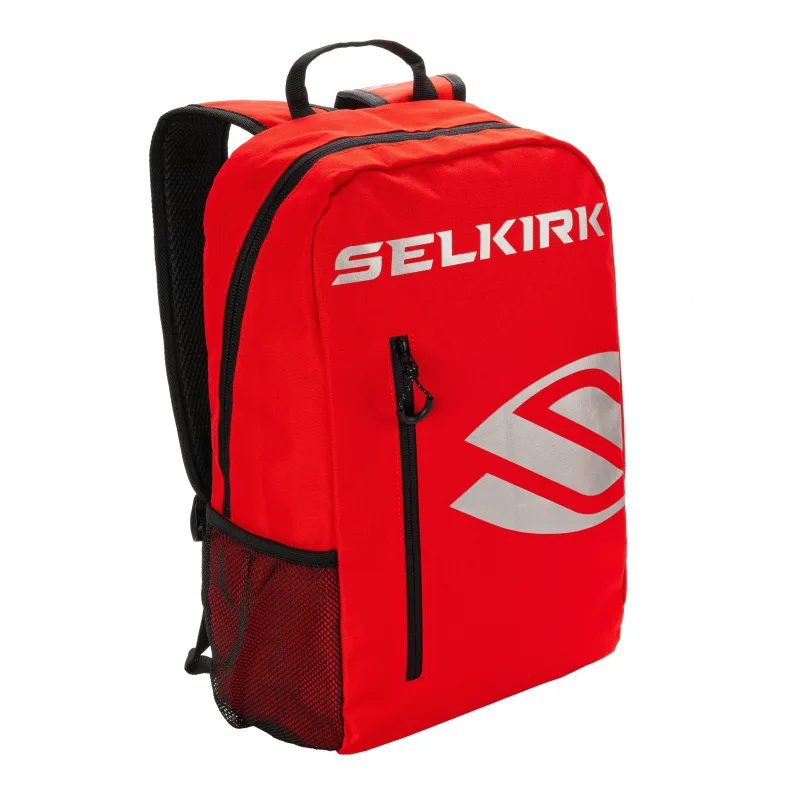
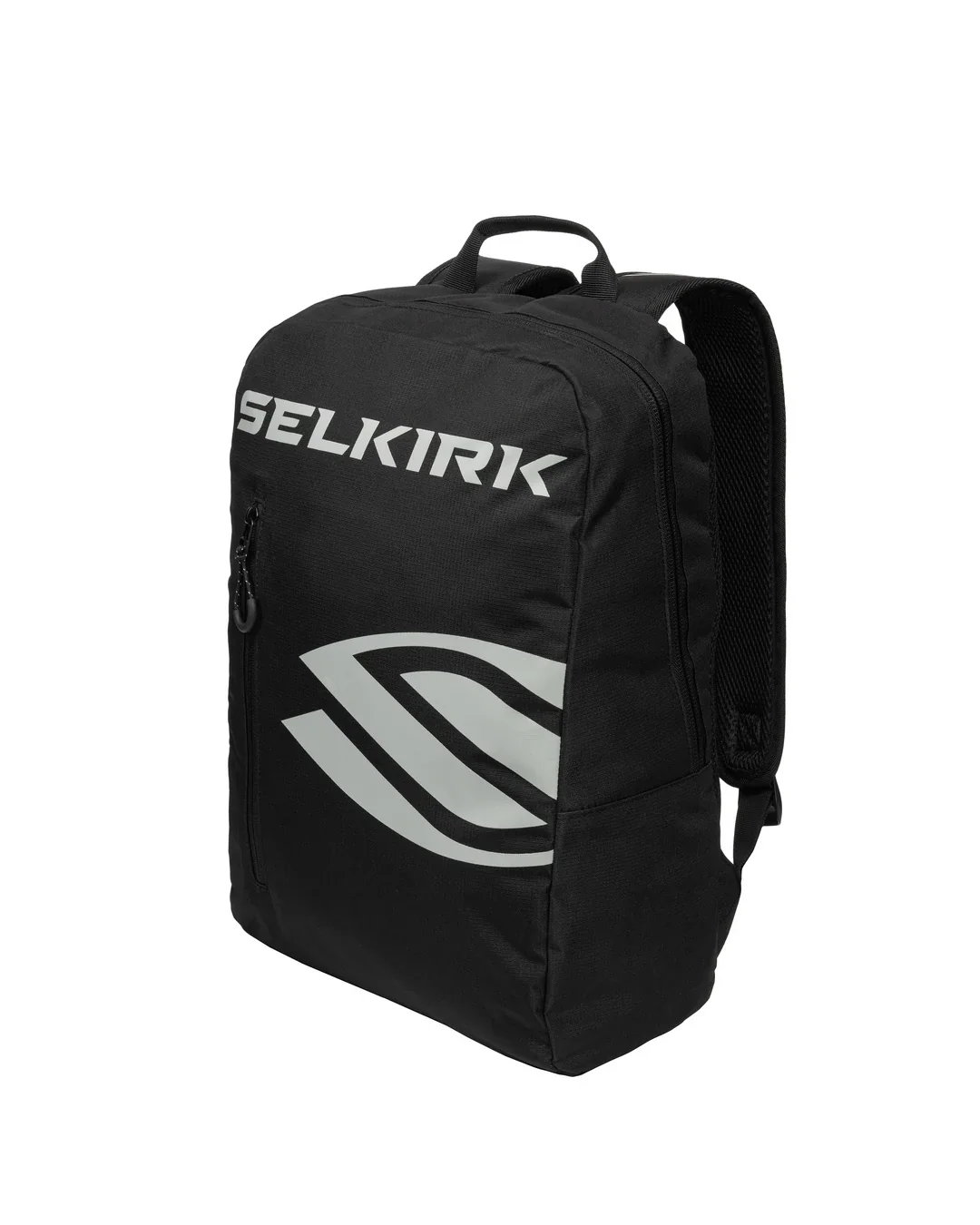
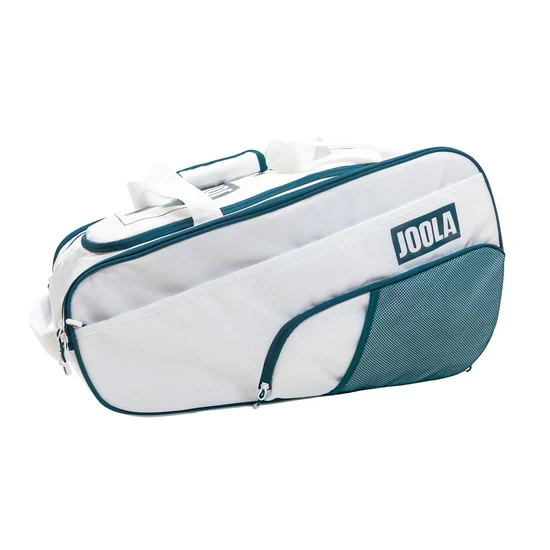
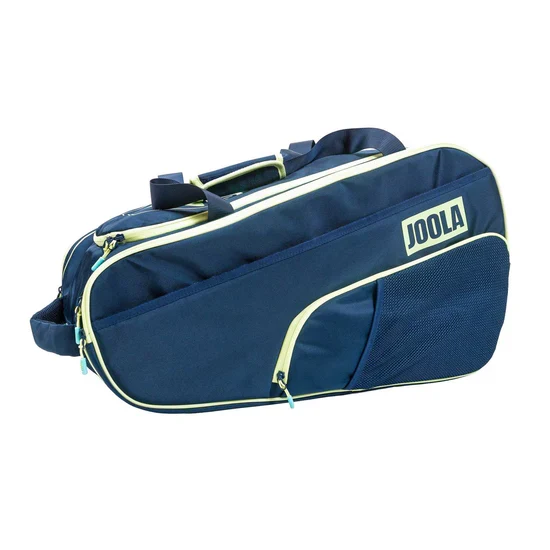
For carrying everything, a Selkirk Day Pickleball Core Backpack — 6 Paddle Capacity keeps paddles, balls, water, and layers organized, while a JOOLA Tour Elite Pro Pickleball Duffle Bag suits players hauling more equipment. Court shoes are equally important: lateral support prevents rolled ankles during quick direction changes, and models like the Skechers Viper Baseline Bully Women's Court Shoes are designed specifically for the stop-and-go nature of the game.
How to Decide
Ask yourself three questions: Do I lose more points to mishits or to being out of position? Do I want easier power or easier control? Do I play mostly doubles at the kitchen line or singles with long drives? Widebody answers the first with forgiveness; elongated answers reach and leverage. If you're unsure, start with a control-oriented widebody, then add an elongated paddle once your mechanics settle.
Browse the full selection of paddles, balls, nets, and accessories at Pickleball Paddles US - Paddles, Balls, Nets & Accessories and match your shape to your game.